Astrology insights
When Is Dahi Handi 2026? Date, Day, Time & Maharashtra Celebrations
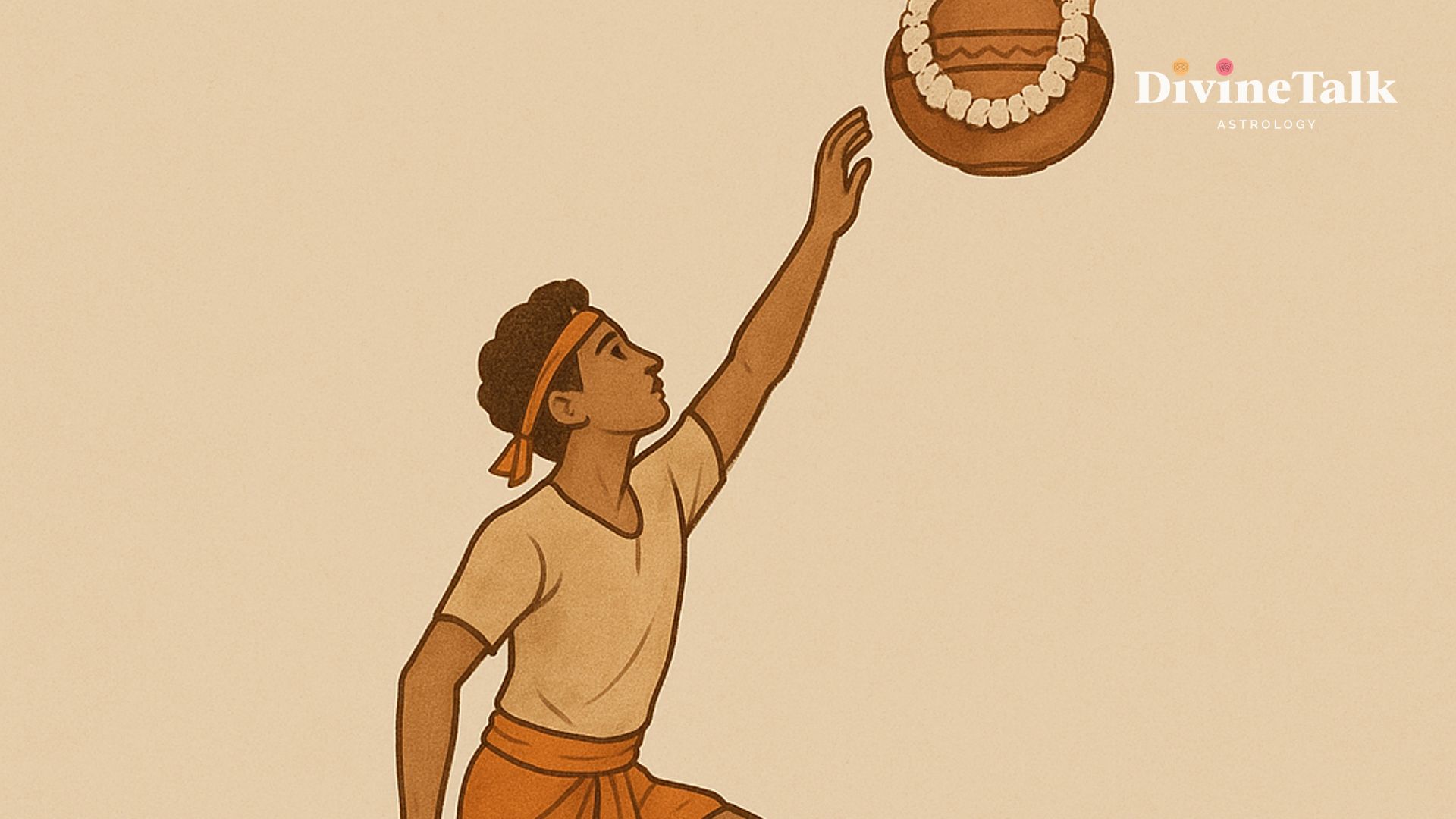
40 views
Dahi Handi 2026 will be celebrated on Saturday, 5 September 2026. In Maharashtra, the festival takes place the day after Krishna Janmashtami, which falls on Friday, 4 September, just like in several other parts of India. Also known as Gopalkala or the Govinda festival, Dahi Handi is traditionally observed after Krishna Janmashtami. Because Janmashtami observance can extend across midnight, the dates of Janmashtami and Dahi Handi can sometimes cause confusion. Here's the exact 2026 date and why.
Dahi Handi 2026 at a Glance
- Date: Saturday, 5 September 2026
- The day after Krishna Janmashtami, which falls on Friday, 4 September 2026
- Marks Krishna's childhood butter-theft legend as Makhan Chor
- Main centre of celebration: Maharashtra, with smaller observances in Goa
- Teams called Govinda Pathaks form human pyramids to break a curd-filled pot (handi)
When is Dahi Handi in 2026?
Dahi Handi 2026 date is Saturday, 5 September. It is calculated as the day following Krishna Janmashtami, which itself is determined by the Krishna Paksha Ashtami tithi, the eighth lunar day of the waning moon, in the month of Bhadrapada. Janmashtami 2026 falls on Friday, 4 September, making the Dahi Handi 2026 date the very next day. You may notice slightly different Janmashtami dates across various calendars and regions, since some traditions calculate the tithi using the Smarta method and others follow Vaishnava conventions tied to Rohini nakshatra, a specific lunar mansion traditionally linked to Krishna's birth star.
Where a one-day gap between these traditions exists, Dahi Handi in Maharashtra is still observed the day after the more widely followed Janmashtami date, since it is fundamentally a Maharashtrian street celebration rather than a fixed pan-India ritual.
What is Dahi Handi?
Dahi Handi is a festival associated with Krishna Janmashtami, celebrated especially across Maharashtra and other cities of India. Govinda teams form human pyramids to climb up and break an earthen pot filled with curd, butter, or milk, called Handi. It is suspended at a height above the street. It reenacts young Krishna's playful butter theft and is marked by devotional music, competition, and community celebration the day after Janmashtami.
Dahi Handi in Maharashtra
In Maharashtra, Dahi Handi 2026 will be celebrated on 5 September 2026. The festival takes place on the day following Krishna Janmashtami and is popularly known as the Govinda festival or Gopalkala. The celebrations are especially prominent in Mumbai, Thane, Pune, and other parts of Maharashtra, where Govinda Pathaks form human pyramids to break the handi suspended high above the ground.
Are Janmashtami and Dahi Handi on the same day?
No, Janmashtami and Dahi Handi are not on the same day. Janmashtami, on 4 September 2026, marks Lord Krishna's birth and is observed with fasting, midnight prayers, and temple rituals. Dahi Handi, on 5 September 2026, is the following day's community celebration involving human pyramids and pot-breaking, reenacting young Krishna's mischievous butter theft.
This is a common point of confusion, but the distinction matters. Janmashtami is largely a home and temple observance built around vrat, a religious fast, and Nishita Kaal, the middle portion of the night traditionally considered the moment of Krishna's birth. Dahi Handi, however, is a public, physical, almost festive-sport event that unfolds in daylight on the streets of Mumbai, Pune, Thane, and other Indian cities. If you'd like a quick way to keep track of Janmashtami timings, fasting windows, and other festival dates through the year, the DivineTalk app can be a handy companion. If you are looking for what to eat and avoid during the Janmashtami fast itself, DivineTalk's Janmashtami vrat rules and food guide covers this in detail.
Why is Dahi Handi celebrated?
Dahi Handi is celebrated to reenact stories from Krishna's childhood in Vrindavan, where, according to traditional accounts, he and his friends would steal pots of curd and butter kept out of children's reach by tying them high up. Communities recreate this by hanging a handi, an earthen pot filled with curd, butter, or milk, at a height and forming human towers to reach and break it.
This story is passed down through Hindu devotional tradition, particularly Puranic literature and bhakti retellings of Krishna's early life, rather than as a historical record. The celebration's real strength lies in what it teaches today: cooperation, physical courage, and shared joy, values that Govinda teams openly credit for their season-long practice. If you're curious about how Krishna's placements in your own birth chart may relate to personality or life themes, you can also talk to an astrologer online for a more personalised reading.
What is the connection between Dahi Handi and Krishna?
The Dahi Handi and Krishna relationship is built entirely on his childhood identity as Makhan Chor, the butter thief, and Bal Gopal, the child cowherd. Traditional Krishna stories describe him climbing onto the shoulders of friends to reach pots of butter hung by his mother Yashoda and village women, a mischievous act that devotees see as full of innocent love rather than wrongdoing.
Each Govinda Pathak, an organised team of pyramid climbers, essentially plays out this scene at city scale. The person who climbs to the very top and breaks the handi is often called the final Govinda, a name directly borrowed from one of Krishna's own epithets. This is why the festival carries his name in public memory even though the day itself is administratively distinct from Janmashtami.
What is Gopalkala and how does it relate to Dahi Handi?
Gopalkala refers to a communal dish, and by extension a ritual, generally made by mixing broken curd with ingredients such as flattened rice, milk, and fruits, prepared once the handi is broken. Exact recipes and customs vary by region and household, so this is best understood as a shared tradition rather than one fixed recipe. It is distributed as prasad, sacred food offered first to the deity, among participants and onlookers. In parts of Maharashtra, Dahi Handi 2026 is locally referred to as Gopalakala 2026, since the pot-breaking and the communal food-sharing are often treated as one continuous event, though this too varies by locality.
This shared meal reflects the same spirit as the original Vrindavan legend, where Krishna and his cowherd friends would pool whatever food they had into a common thali, a spontaneous act of community eating without hierarchy. Modern Gopalkala gatherings, especially in Pune and rural Maharashtra, keep that idea alive by having neighbours and teams eat together right after the handi comes down.
How is Dahi Handi celebrated across Maharashtra and Goa?
Dahi Handi celebration in Maharashtra is organised on a scale unmatched elsewhere in India. Handis are strung well above the ground across localities in Mumbai, Thane, Pune, and Nashik. Govinda Pathaks often train for weeks beforehand, practising the human pyramid formation layer by layer, and in many teams, it is the lightest and most agile climbers who go to the top, though this varies by pathak.
Local sports bodies, cultural trusts, and civic organisations often sponsor prize money and trophies for participating pathaks, along with local media coverage, though the scale of prizes and sponsorship varies widely by locality and year. Goa also observes Dahi Handi with its own coastal community traditions, though generally with smaller crowds and pyramids compared with Maharashtra's metro celebrations. Elsewhere in India, Janmashtami itself is the dominant observance, and a separate, organised Dahi Handi event is uncommon.
What are the main terms you should know before Dahi Handi day?
- Handi: the earthen pot filled with curd, butter, or milk, hung at a height to be broken
- Govinda: a participant who climbs the human pyramid, named after one of Krishna's own titles
- Govinda Pathak: an organised team that trains and competes to break handis across a city
- Human pyramid: the multi-layered formation of climbers that Govindas build to reach the handi
- Gopalkala: the communal curd-and-rice prasad prepared and shared once the handi breaks
- Nishita Kaal: the middle of the night, traditionally marked as the moment of Krishna's birth during Janmashtami
Janmashtami 2026 and Dahi Handi 2026: quick comparison
| Aspect | Janmashtami 2026 | Dahi Handi 2026 |
|---|---|---|
| Date | Friday, 4 September 2026 | Saturday, 5 September 2026 |
| Nature of observance | Religious fast, midnight prayers, temple rituals | Public street celebration, human pyramids |
| Primary region | Observed pan-India and abroad | Concentrated mainly in Maharashtra, also in Goa |
| Core practice | Vrat and worship at Nishita Kaal | Breaking the handi and sharing Gopalkala |
| Symbolism | Krishna's birth | Krishna's childhood butter theft |
Do Dahi Handi timings vary by city?
Dahi Handi has no single nationwide muhurat or fixed hour, since it is a community event rather than a ritual with a scripturally prescribed time. Exact event timings depend on the organiser and locality, so it's best to check with the relevant mandal, Govinda Pathak, temple, society, or event organiser in your area rather than assuming a standard citywide schedule.
How does Dahi Handi connect to the wider Janmashtami season?
Dahi Handi closes out a short devotional season that begins with Janmashtami fasting and prayer and ends with community celebration and shared food. Many households treat the two days as one continuous festival window, observing the vrat on 4 September and then joining or watching Dahi Handi festivities on 5 September. For a full breakdown of dates, timings, and rituals across this window, DivineTalk's Krishna Janmashtami 2026 guide is a helpful companion read.
According to Maharashtra Tourism, Dahi Handi is promoted as one of the state's notable cultural events. This reflects how the celebration has grown from a small devotional reenactment into a major civic and sporting occasion, without changing its underlying religious roots in Krishna's childhood stories.
Conclusion
Dahi Handi 2026 is ultimately a reminder that devotion does not always look like silence, fasting, or prayer. Sometimes it looks like people coming together to form a human pyramid, reaching for a handi with the same spirit of joy, teamwork, courage, and playful devotion associated with Lord Krishna for generations. If festivals like Janmashtami and Dahi Handi make you curious about the role of spirituality and planetary influences in your own life, you can explore Vedic astrology through DivineTalk Astrology, check your Janam Kundli for a more personal look at your birth chart, or use the DivineTalk app to stay connected with astrologers and spiritual guidance.
Dahi Handi traditions can vary by region, community, and local custom, but the celebration continues to bring together devotion and collective celebration in a way that remains closely connected to the wider spirit of Krishna Janmashtami.
FAQs Related to Dahi Handi 2026
When does Janmashtami come in 2026?
Krishna Janmashtami in 2026 falls on Friday, 4 September, based on the Krishna Paksha Ashtami tithi in the Bhadrapada month, as per the Drik Panchang calendar widely followed across India.
What is the date of Dahi Handi in 2026?
Dahi Handi 2026 date is Saturday, 5 September, observed the day after Janmashtami, mainly across cities and towns in Maharashtra and parts of Goa.
Is Janmashtami on 26 or 27 August 2026?
No, in 2026, Janmashtami falls on 4 September, not in August. Confusion with August dates usually comes from mixing up years, since Janmashtami's date shifts annually with the lunar calendar.
Are Janmashtami and Dahi Handi on the same day?
No, they are two separate days. Janmashtami on 4 September 2026 is the religious observance of Krishna's birth, while Dahi Handi on 5 September 2026 is the public celebration involving human pyramids and pot-breaking.
Is Dahi Handi celebrated the same way across all of India?
No, Dahi Handi as an organised, competitive event with human pyramids is primarily a Maharashtra tradition, also seen in parts of Goa. In most other Indian states, Janmashtami itself is the main observance, without a separate large-scale Dahi Handi event.
Related Blogs
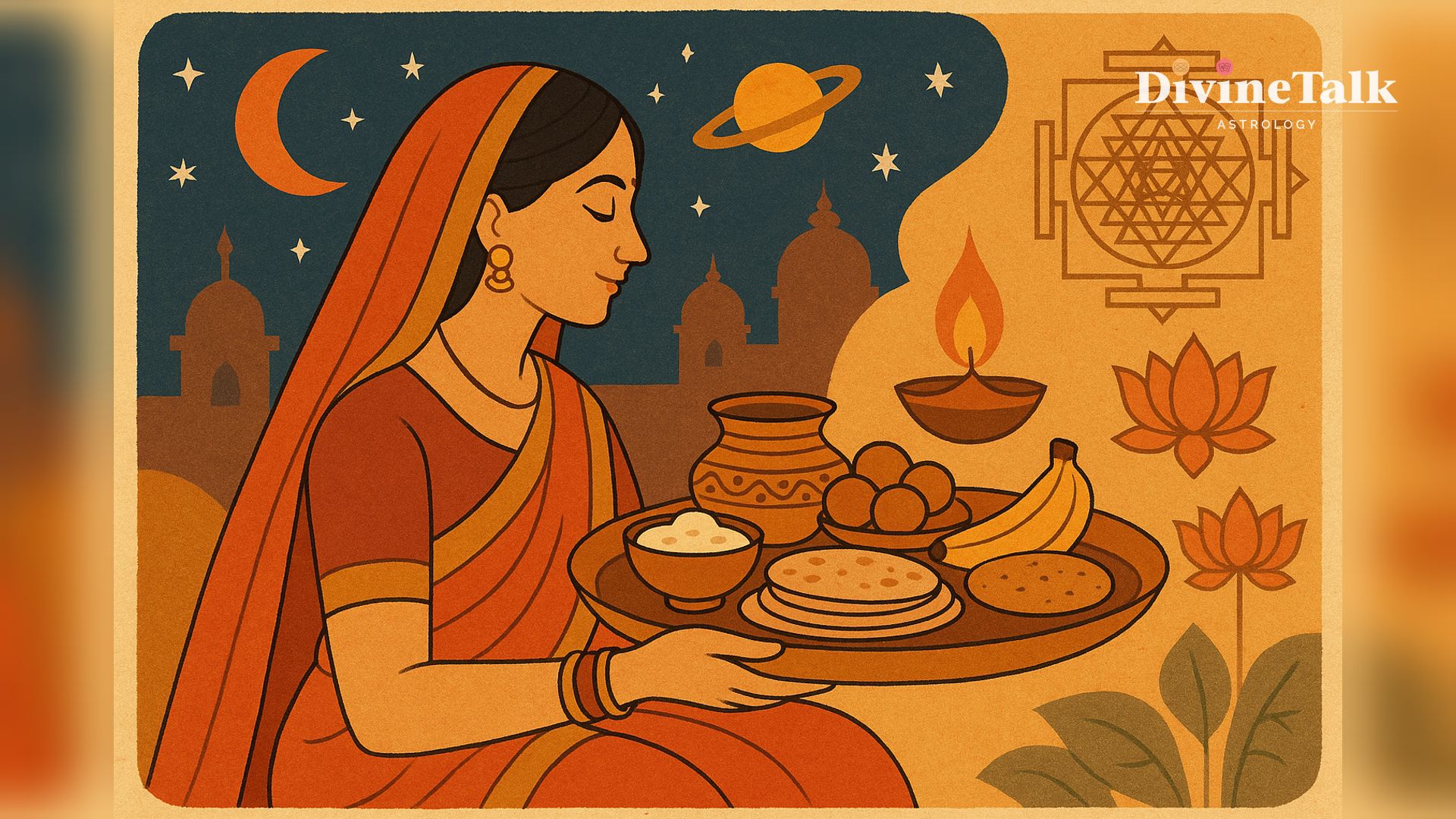
Karwa Chauth Sargi Thali 2026: Complete Food List, What to Eat & What to Avoid
The sargi thali arrives in the dark, usually while the house is still quiet, and what goes into it shapes how a woman feels for the next sixteen-odd hours of her Karwa Chauth vrat, a fasting ritual observed for a husband's long life. In 2026, Karwa Chauth falls on 29 October, with the Chaturthi Tithi (the fourth lunar day of the festival) beginning at 01:06 AM and ending at 10:09 PM on that date, and moonrise in New Delhi expected at 08:17 PM. Getting the sargi right matters as much as the puja vidhi, the prescribed ritual procedure, that follows later in the evening.Sargi is the pre-dawn meal a married woman eats before sunrise on Karwa Chauth, traditionally prepared and given to her by her mother-in-law. It is eaten before the fast begins and is meant to sustain her through a full day without food or water. This article lays out exactly what should be included in a Karwa Chauth thali, what to skip, and how to build a sargi that is both traditional and sensible for the body.What is sargi in Karwa Chauth?Sargi is the ritual pre-dawn meal that a married woman eats before the Karwa Chauth fast begins, traditionally sent or prepared by her mother-in-law as a blessing. It is eaten before sunrise, well before the Chaturthi Tithi's visible daytime hours begin, and is meant to nourish her for the long waterless fast ahead, known as a nirjala vrat, a fast observed without even drinking water.The custom carries an emotional layer beyond nutrition. It symbolises the mother-in-law passing on care and blessings to her daughter-in-law at the start of a demanding day. In many households today, mothers also send sargi to married daughters, and the thali itself has become a small, personal ritual of its own, separate from the evening puja thali used for worshipping the moon and listening to the vrat katha, the traditional story recited during the fast. To keep track of sargi timing, muhurat, and the rest of the day's schedule in one place, many women find it easier to plan their Karwa Chauth with the DivineTalk app.What should I eat during sargi?A good sargi balances slow-digesting carbohydrates, some protein, healthy fats, and fluids, so hunger and thirst build up gradually rather than early in the day. The classic thali includes fruits, a milk-based sweet, dry fruits, and a light savoury item such as paratha or mathri, paired with water, milk, or coconut water to keep the body hydrated before the nirjala vrat starts.Nutritionists generally recommend complex carbohydrates and fibre over refined sugar at pre-dawn meals, since they release energy more slowly across the day, according to guidance from the NHS eat well guidelines on balanced meals and sustained energy. This logic maps neatly onto what a good sargi thali ideas list should include: whole foods that keep you steady, not a sugar spike followed by a crash by mid-morning.What should be included in a Karwa Chauth thali?A complete Sargi thali can include several components: fruits, a milk sweet or kheer, dry fruits, a savoury snack, a hydrating drink, and a small portion of grains. Together these cover energy, hydration, and digestion needs for the day ahead. The exact mix varies by locality and family tradition, but the structure stays fairly consistent across North Indian households that observe this vrat.Fruits: banana, pomegranate, apple, or seasonal fruit for natural sugars and fibrePheni kheer: fine vermicelli strands cooked in sweetened milk, a classic sargi item for sustained energyMeethi seviyan: sweet vermicelli tempered with ghee, cardamom, and nuts, a lighter alternative to kheerDry fruits: almonds, cashews, walnuts, and raisins for healthy fats and slow-release energyMathri and parathas: light savoury snacks, often made with minimal spice so they sit well on an empty stomachCoconut water, milk, or plain water to pre-hydrate before the nirjala vrat beginsA few soaked dates or figs for natural sweetness and fibrePheni kheer and meethi seviyan sargi recipe variations are popular partly because milk and vermicelli are filling, familiar, and generally easier on the stomach than heavily fried or very sweet items. Dry fruits for sargi serve a similar purpose: a small handful of almonds or walnuts offers a balanced, satisfying option without weighing down the stomach.What foods should you avoid during Karwa Chauth fasting?Avoid salty, spicy, and heavily fried foods at sargi, since salt increases thirst and spice can irritate an empty stomach through the day. Many people also choose to skip caffeinated tea or coffee, as caffeine may add to feelings of thirst and isn't considered ideal before a long nirjala vrat with no water allowed until moonrise.Foods to avoid during Karwa Chauth fasting also include very sugary sweets eaten in large quantities, since a sharp sugar spike is often followed by a dip in energy within a couple of hours. The Harvard T.H. Chan School of Public Health notes that refined carbohydrates are digested quickly and can leave you hungrier sooner, which is exactly the opposite of what a sargi thali is meant to do. Stick to measured portions of sweets like kheer rather than skipping the carbohydrate altogether, since the body still needs fuel for the hours ahead.Excess salt and fried snacks, which increase thirst through the dayTea, coffee, and other caffeinated drinks, which can dehydrate fasterVery oily or heavy parathas that sit uncomfortably on an empty stomachLarge portions of refined sugar sweets eaten without any protein or fat alongsideWhat is sargi time for Karwa Chauth 2026?Sargi must be eaten before sunrise, and in 2026 the Chaturthi Tithi for Karwa Chauth begins at 01:06 AM on 29 October and continues until 10:09 PM the same day. Sargi is traditionally eaten in the pre-dawn hours, often around 4 AM in many households, and must be completed before sunrise, when the day's fast begins. Since sargi is eaten before dawn and the fast runs through the daylight hours until moonrise, most women complete their sargi meal in the very early hours of 29 October, well before the day's activities begin.Moonrise in New Delhi on 29 October 2026 is expected at 08:17 PM, which marks the end of the fasting window when the moon is sighted and the final puja rituals, including Karwa Pher, are performed. Timings for moonrise vary by city, so those outside Delhi should treat this as a general reference point rather than an exact local time. For the complete picture of the day, including city-wise puja muhurat, see Karwa Chauth 2026 date, time and city-wise puja muhurat.How is sargi different from the Karwa Chauth puja thali?Sargi is the pre-dawn meal eaten before the fast starts, while the puja thali is the set of ritual items used during the evening worship of the moon and Goddess Parvati. They serve completely different purposes at opposite ends of the same day, though both are essential parts of how the festival is observed. For those seeking personalised guidance on marriage, relationships, or auspicious timing beyond the general rituals, it can help to consult an Astrologer.The puja thali typically holds items like a karwa, a small earthen or metal pot used in the ritual, a diya, sieve, and sweets offered during prayer, none of which are eaten. Sargi, in contrast, is entirely about food meant to sustain the body. If you are assembling both, it helps to keep their checklists separate so nothing is missed on the day itself.Quick comparison: Sargi thali vs Karwa Chauth puja thaliTiming: Sargi is eaten before sunrise; the puja thali is used in the evening, close to moonrisePurpose: Sargi nourishes the body before fasting; the puja thali is used for worship, not eatenContents: Sargi has fruits, sweets, dry fruits, and drinks; the puja thali has a karwa, diya, sieve, and offeringsGiven by: Sargi is traditionally prepared by the mother-in-law; the puja thali is arranged by the fasting woman herselfTerms to knowSargi: the pre-dawn meal eaten before the Karwa Chauth fast beginsNirjala vrat: a fast observed without food or waterChaturthi Tithi: the fourth lunar day, on which Karwa Chauth fallsKarwa: the small pot used in the evening pujaPuja vidhi: the prescribed procedure for performing the ritual worshipFor the full checklist of items needed for the evening worship, see the Karwa Chauth Puja Samagri List 2026, and for the rituals that follow after moonrise, read Karwa Chauth Rituals Explained. Many women also read the traditional story of the vrat before or during the fast; you can find it in Karwa Chauth Vrat Katha 2026.What are healthy sargi thali ideas for better fasting?A balanced sargi thali is easiest to plan by building it around a few simple parts: one fruit, one traditional sweet, some dry fruits or nuts, one savoury item, and enough fluids to hydrate before the fast. Favour whole foods over processed ones within each part: fresh fruit instead of fruit juice, roasted or soaked nuts instead of fried snacks, and milk or coconut water instead of sugary drinks.Fruit: a banana or pomegranate is a simple, easy choice. Traditional sweet: a small bowl of pheni kheer or meethi seviyan, paired with a glass of warm milk, is what many families rely on. Dry fruits and nuts: soaked almonds and walnuts overnight are easier to digest and a common addition. Savoury item: if you prefer something savoury, a thin, lightly spiced paratha with a small portion of curd does the job without being heavy. Fluids: plain water, coconut water, and milk are all good options to start the day hydrated rather than parched by mid-morning.A well-planned sargi thali is less about elaborate cooking and more about thoughtful balance. It reflects the quieter, practical side of Karwa Chauth fasting rules: care expressed through food, prepared early so that the rest of the day can be given fully to devotion and ritual.Key takeawaysSargi must be eaten before sunrise on 29 October 2026, since the Chaturthi Tithi begins at 01:06 AM that dayA balanced sargi thali includes fruits, a milk sweet like pheni kheer, dry fruits, a light savoury item, and hydrating drinksAvoid salty, fried, caffeinated, and overly sugary foods at sargi, as they increase thirst and cause energy crashes laterFAQsWhat should I eat during sargi for Karwa Chauth?Eat a balanced mix of fruits, a milk-based sweet like pheni kheer or meethi seviyan, a handful of dry fruits, and a light savoury item such as paratha or mathri. Pair this with water, milk, or coconut water to stay hydrated before the nirjala vrat begins.What is the sargi time for Karwa Chauth 2026?Sargi is eaten before sunrise. The Chaturthi Tithi for Karwa Chauth 2026 begins at 01:06 AM on 29 October 2026, so sargi is completed in the early hours of that same day, before the fasting period begins.What foods should be avoided during Karwa Chauth fasting?Avoid salty, spicy, and fried foods, as well as tea, coffee, and other caffeinated drinks, since these increase thirst. Large portions of refined sugar without any protein or fat are also best avoided, as they can cause an early energy dip.Is sargi different from the Karwa Chauth puja thali?Yes. Sargi is the pre-dawn meal eaten before the fast begins, while the puja thali is the set of ritual items, like the karwa and diya, used during the evening worship near moonrise. One is food to eat, the other is for ritual use only.Can sargi include dry fruits and nuts?Yes, dry fruits like almonds, cashews, walnuts, and raisins are commonly included in Sargi. They provide healthy fats and slow-release energy, making them useful for sustaining the body through a long fasting day.
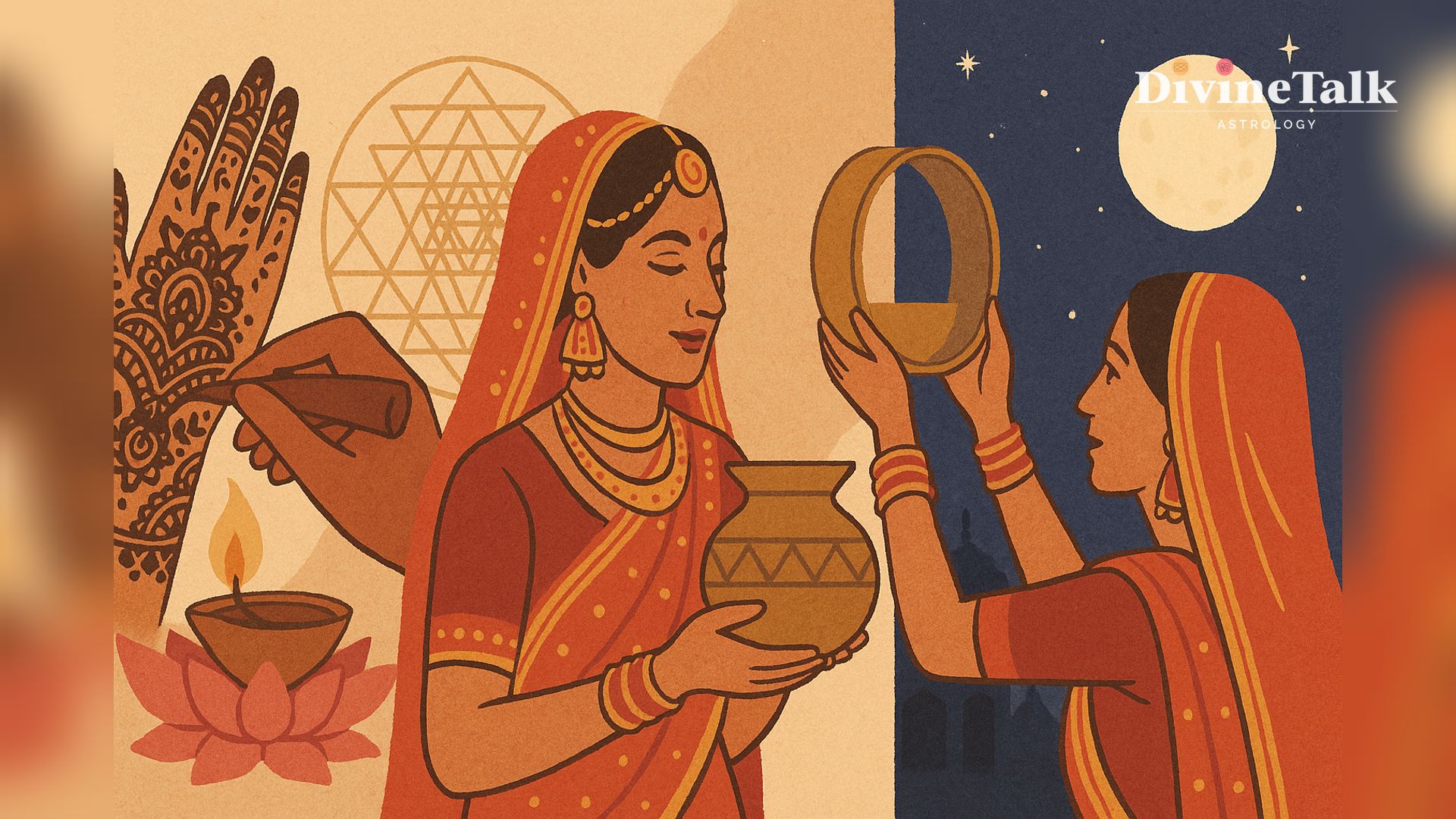
Karwa Chauth Rituals Explained: Mehndi, Solah Shringar, Karwa Pher & Moon Sighting Vidhi
The morning starts with Sargi before sunrise, the hands get covered in mehndi by afternoon, and by evening the thali is ready for Karwa Pher. Karwa Chauth rituals tend to follow a familiar sequence, though the exact order and customs can vary by family and region, and once you know the general rhythm, the day feels less like a checklist and more like something passed down through generations of women in the same family.In 2026, Karwa Chauth falls on 29 October. The Chaturthi Tithi, the fourth day of the lunar fortnight, begins at 01:06 AM on 29 October 2026 and ends at 10:09 PM the same day. In Delhi, moonrise is expected at 08:17 PM on 29 October 2026, which is when married women traditionally end their fast. These timings vary by city, so always confirm your local moonrise before planning the evening. You can also plan your day on the go with the DivineTalk app, which keeps city-wise timings handy.What is the correct Karwa Chauth pooja vidhi?The Karwa Chauth pooja vidhi, or method of worship, follows a clear sequence: eating Sargi before sunrise, keeping a nirjala vrat (a fast without even water) through the day, dressing in Solah Shringar by evening, gathering for the Karwa Chauth katha (the traditional story), and finally sighting the moon through a sieve before breaking the fast with water offered by the husband. Each step carries its own meaning. The broad sequence is similar in many households, although the exact order and customs can vary by region and family.Women gather in groups for the evening puja, often sitting in a circle with their thalis, listening to the vrat katha together. This communal reading is considered an essential part of how to perform Karwa Chauth pooja correctly, since the story is meant to be heard, not just known. For the full narrative behind this ritual, DivineTalk's detailed piece on the Karwa Chauth Vrat Katha 2026 walks through the story of Veeravati and why it is retold every year.What is Sargi and who gives it?Sargi is the pre-dawn meal a married woman eats before her fast begins, and it is traditionally given by her mother-in-law. Where the mother-in-law is not present, this role is often taken up by an elder woman in the household, or the meal is prepared by the woman herself using family recipes passed down to her.The Sargi ritual is as much about blessing as it is about nutrition. It symbolises the mother-in-law's good wishes for her daughter-in-law's marriage, and in many homes, it is eaten together before sunrise while the house is still quiet. This moment of quiet female bonding, before the demands of the day begin, is one reason the ritual has stayed so consistent even as other customs have modernised.What does Solah Shringar include?Solah Shringar literally means sixteen adornments, the traditional set of bridal-style decorations a married woman wears on Karwa Chauth. The exact list can vary across regions, families and traditions, but the sixteen below are commonly represented and widely recognised.Bindi — a forehead mark, usually red or matching the outfitSindoor — vermilion applied along the hair parting, a sign of marital statusMaang Tikka — an ornament worn at the centre hair parting, resting on the foreheadKajal — kohl applied around the eyesMehndi — henna applied on the hands and sometimes feetNath — a nose ring or stud, with styles varying by regionEarrings — jhumkas or studs worn for the occasionNecklace — a decorative necklace, often layered with the mangalsutraMangalsutra — the sacred necklace symbolising marriageBangles (Choodiyan) — often red or glass bangles worn on both wristsHathphool — an ornament connecting rings on the fingers to a braceletRings — decorative rings worn on the fingers.Bajuband — an armlet worn on the upper arm, where followedPayal — anklets, usually made of silverHair Adornment — a decorative hairstyle, often with gajra or fresh flowersFestive Clothing — a red or festive-coloured saree, lehenga, or suitNot every woman wears all sixteen items, and the exact list varies by region and personal preference. The deeper idea behind Solah Shringar is dressing the way a bride does on her wedding day, as a gesture of devotion and celebration of marriage, not as a rigid rulebook to follow item by item.Why is mehndi applied on Karwa Chauth, and is it compulsory?Mehndi, or henna, is applied on Karwa Chauth because it is considered auspicious and is linked to marital happiness in North Indian tradition. It is not compulsory in the way fasting or the moon sighting ritual is. Many women skip it due to time, skin sensitivity, or personal choice, and this does not affect the validity of their vrat (fast or vow) in any traditional sense.The Karwa Chauth mehndi significance comes from its association with Solah Shringar and with weddings generally, where darker henna is popularly linked to a stronger bond with one's spouse, though this is a folk belief rather than a documented rule. Mehndi designs for Karwa Chauth often include peacocks, the husband's initials hidden in the pattern, or traditional floral motifs, and applying it has become a social, almost festive activity, with women gathering a day or two before the fast to get their hands done together.How does the moon sighting through a sieve work?Moon sighting through a sieve is the ritual where a fasting woman views the moon through a chalni (a kitchen sieve), then looks at her husband's face through the same sieve, before he offers her water and food to end the fast. In Delhi, the moon is expected to rise around 08:17 PM on 29 October 2026, though this time changes by city and should be checked locally.After sighting the moon, the woman turns to her husband and views him through the same sieve, often followed by an aarti, before he gives her the first sip of water. According to the Drik Panchang festival calendar, moonrise times are specific to each city, which is why couples in different parts of India break their fast at different moments on the same evening.What is Karva Pher and why is it performed?In traditions that include Karva Pher, married women exchange or pass karvas among the group, sometimes with offerings or other items associated with the ritual. The practice is commonly understood as symbolising the sharing of good fortune and the collective nature of the vrat.This ritual reflects why Karwa Chauth has always been as much a community event as a personal one. The women reciting the katha together, exchanging karvas, and later comparing mehndi designs are all part of a shared experience that makes a demanding day-long fast feel lighter. It is worth remembering that community support, more than any single ritual object, is often what carries women through the full day of fasting. For a broader look at how the day is observed overall, DivineTalk's Karwa Chauth 2026 guide covers the full observance from sunrise sargi to the evening moonrise.What are the fasting rules for Karwa Chauth?The Karwa Chauth vrat traditionally continues from before sunrise until moonrise, when the fast is broken. Exact fasting practices can vary by individual and family circumstances, so there is no single rule that applies to everyone observing the vrat.What goes into the Karwa Chauth puja thali?A Karwa Chauth puja thali typically includes a karva (small pot) for water, a diya (oil lamp), incense sticks, roli (red powder) and rice for tilak, a comb, sindoor, mehndi, sweets, and the sieve used for moon sighting. Some thalis also include a copy of the vrat katha and a small idol or image of Goddess Parvati. For a full rundown of what to keep ready, DivineTalk's Karwa Chauth puja samagri list covers the complete thali checklist.Karva — small pot, often decorated, used to offer water to the moonChalni — sieve used for moon sightingDiya — oil lamp lit during the pujaRoli and chawal — red powder and rice for tilakMehndi, sindoor, bangles — items tied to Solah ShringarSweets or mithai as prasadMatthi or other Sargi leftovers sometimes kept asideA small photo or idol of Goddess ParvatiDupatta or cloth to cover the thali while sharing it in a circleThe exact items vary by region and family custom, so there is no single fixed list that applies everywhere. What stays constant is the idea of the thali as a shared object passed between women during the evening gathering and the Karva Pher exchange.Is Karwa Chauth celebrated in Sikhism?Karwa Chauth is not a festival prescribed in Sikh scripture, but it is widely observed as a cultural tradition among Sikh families, particularly in Punjab and among Punjabi communities elsewhere. Many Sikh women observe the fast and rituals alongside Hindu neighbours and relatives, treating it as a shared regional custom rather than a strictly religious obligation tied to one faith.This overlap is a good reminder that many North Indian festivals, including Karwa Chauth, have grown through shared regional culture as much as through religious texts. Families often blend customs, and the core sentiment, wishing for a spouse's long life and wellbeing, resonates across these communities regardless of the specific scriptural origin. If you're curious how this year's planetary movements might shape your own relationships, you can also consult an astrologer for personalised guidance.Quick comparison of the main ritualsSargi: eaten before sunrise, given by mother-in-law, marks the start of the fastMehndi: applied a day or two before or on the day itself, optional but widely practisedSolah Shringar: worn through the evening puja, symbolic of bridal dressingKarva Pher: performed during the group puja, pots exchanged among womenMoon sighting: performed after moonrise through a sieve, marks the end of the fastTerms to knowChaturthi Tithi — the fourth day of the lunar fortnight, when Karwa Chauth fallsNirjala vrat — a fast observed without food or waterSargi — the pre-dawn meal given by the mother-in-lawSolah Shringar — the sixteen traditional bridal adornmentsKarva — a small decorated pot used in the puja and in Karva PherChalni — the sieve used for viewing the moon and the husband's faceVrat katha — the traditional story recited during the pujaIf you're still finalising your plans for the day, DivineTalk's guide on Karwa Chauth 2026 date, time and city-wise puja muhurat lays out the exact Chaturthi Tithi timings and moonrise schedules you'll need to plan the evening properly.Key takeawaysKarwa Chauth 2026 falls on 29 October, with Chaturthi Tithi running from 01:06 AM to 10:09 PM that day.In Delhi, moonrise is expected at 08:17 PM on 29 October 2026, but this varies by city.Mehndi and Solah Shringar are traditional, not compulsory, while Sargi, the nirjala fast, and moon sighting form the core of the vrat.FAQsIs mehndi compulsory on Karwa Chauth?No. Mehndi is traditional and considered auspicious, but it is not a mandatory part of the vrat. Skipping it does not affect the validity of the fast or the puja.Who traditionally gives Sargi?The mother-in-law traditionally gives Sargi, the pre-dawn meal eaten before the fast begins. In her absence, another elder in the family or the woman herself often prepares it.What time does the Karwa Chauth fast end in 2026?The fast ends after moonrise. In Delhi, moonrise is expected at 08:17 PM on 29 October 2026. This time changes by city, so local moonrise should be checked separately.What is Karva Pher?Karva Pher is the ritual exchange of small pots, called karvas, among married women during the evening puja. It symbolises sharing good fortune within the group.Do Sikh families observe Karwa Chauth?Yes, many Sikh families, especially in Punjab, observe Karwa Chauth as a cultural tradition rather than a scripturally mandated festival, often alongside Hindu relatives and neighbours.
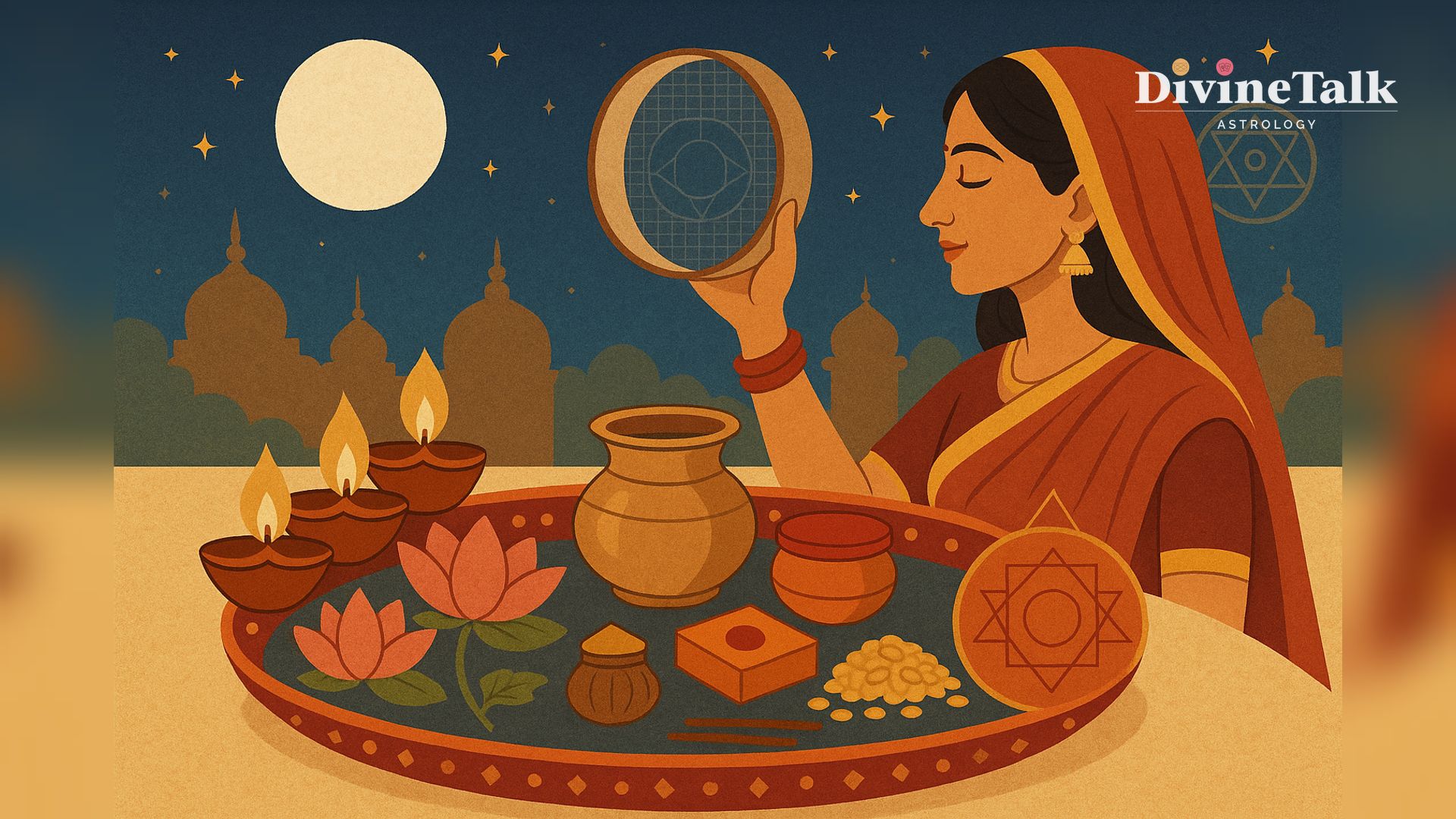
Karwa Chauth Puja Samagri List 2026: Complete Thali Checklist
Every Karwa Chauth thali tells the same story year after year, yet somehow there's always one item missing right when the puja is about to start. Karwa Chauth in 2026 falls on 29 October, a Thursday, and the Chaturthi Tithi (the fourth lunar day of the fortnight, when this vrat or fast is observed) runs from 1:06 AM to 10:10 PM that day. Getting your samagri, the collection of puja items, ready a day in advance saves you that last-minute scramble to the market.The complete Karwa Chauth thali items list includes a karva (a small clay pot with a spout, used to pour water during the ritual), a lota (a round water vessel), a decorated puja thali, a sieve or chalni, matthi or sweets, sindoor, mehendi, a photo or idol of Karwa Mata and Lord Ganesha, and items for the katha (the ritual story recited during the puja). Each item has a role in the evening ritual and in the moonrise offering.Karva (clay pot with spout) — one for the puja, sometimes a second for daily use afterLota (water vessel) filled with fresh waterPuja thali, decorated with aipan or rangoli if you likeChalni (sieve) to view the moon and then your husband's face through itDiya (earthen lamp) and cotton wicksRoli, kumkum and sindoor for tilakMatthi, sweets, and seasonal fruits as offeringRaw rice (akshat) and turmericIncense sticks (agarbatti) and camphor (kapoor)Flowers, preferably fresh marigold or roseHenna (mehendi) conePhoto or idol of Karwa Mata, Lord Shiva, Parvati, and GaneshaA copy of the Karwa Chauth vrat katha book or printed storySmall gifts or baya, traditionally given to the mother-in-law or an elder womanThis list covers the Karva Chauth puja ingredients most households use, though some regional variations add a comb, bangles, or a coconut to the thali depending on family tradition. For personalised reminders and festival guidance through the year, the DivineTalk app can help you keep track of upcoming vrats and puja timings.Key samagri items and their purposeItemWhy it is usedKarvaCentral ritual vessel associated with Karwa ChauthLotaUsed as a water vessel during the ritualPuja thaliUsed to arrange the main puja itemsChalniTraditionally used during moon sightingDiyaLit as part of the pujaRoli/Kumkum/SindoorUsed for traditional ritual and marital symbolismAkshatUsed as a puja offeringFlowersUsed as a traditional offeringSweets/PrasadUsed as an offering and prasadKathaUsed for reading or listening to the Karwa Chauth vrat kathaSargi is the pre-dawn meal a married woman eats before sunrise on Karwa Chauth, usually prepared and given by her mother-in-law. It is a separate custom from the puja samagri itself and isn't part of the main thali checklist, so it's covered here only briefly.Solah shringar, meaning sixteen adornments, is the traditional bridal-style look some women wear on Karwa Chauth. Depending on family tradition, it may include mehendi, bangles, sindoor, and other traditional suhaag items, though this varies widely and isn't part of the puja samagri itself.Putting together a Karwa Chauth thali can be more economical when you buy basic items separately rather than purchasing a pre-packaged, decorated kit. A clay karva, a steel or brass lota, a sieve, roli, rice, a small diya, and incense bought individually from a local kirana or puja store often cost less this way, though exact prices vary depending on your location, item quality, and how decorated each piece is.Clay karva and lid — inexpensive and sold widely before the festivalBasic steel thali instead of a decorated oneLoose flowers bought fresh on the dayHomemade matthi instead of store-bought sweetsA simple cotton wick diya rather than a decorative oneThe best pooja thali for Karwa Chauth isn't the most expensive one. It's the one that has every functional item present and ready before the muhurat (auspicious window) begins, because a missing item during the ritual causes more stress than a plain thali ever would.The karva is a small earthen pot with a spout, and it's the namesake item of the entire festival. During the puja, water is poured from the karva as part of the ritual, and the same pot is often used again the next morning to complete the fast. The lota, a separate rounded water vessel, holds water for the moonrise offering (arghya).Many households buy a new karva (clay pot) every year, paint it with simple motifs, and keep it aside specifically for this one evening. The karva is one of the central items associated with the ritual, while a lota or another water vessel may also be used depending on family tradition.Karwa Chauth this year falls on 29 October, with the puja muhurat in Delhi between 05:38 PM and 06:56 PM that evening.If you want the full breakdown of this year's tithi timings and city-wise variations, DivineTalk's detailed guide on Karwa Chauth 2026: Date, Time, Tithi City-Wise Puja Muhurat covers it in full.The Karwa Chauth vrat samagri essentials shift slightly depending on whether a family follows North Indian, Rajasthani, Punjabi, or Marwari customs. Some communities add a brass idol of Gauri Maa shaped specially for the day, while others focus more heavily on the baya, gifts exchanged with the mother-in-law. This diversity reflects how the same festival has grown through many regional threads of devotion.This regional flexibility is a reminder that the spirit of the vrat, devotion and care for one's spouse, matters more than following one exact version of the ritual.Karva — small spouted clay pot central to the ritualChaturthi Tithi — the fourth lunar day, when the fast is observedSargi — pre-dawn meal eaten before the fast beginsBaya — gifts given to an elder woman, often the mother-in-lawSolah Shringar — sixteen traditional adornments worn for the dayArghya — the ceremonial offering of water, here made to the moonNirjala vrat — a fast observed without food or waterKey takeawaysKarwa Chauth 2026 falls on 29 October, with Chaturthi Tithi from 1:06 AM to 10:10 PM that dayDelhi's puja muhurat is 05:38 PM to 06:56 PM, and moonrise is expected at 08:17 PM on 29 October 2026A complete thali needs a karva, lota, sieve, diya, roli, and the katha book — a simple Karwa Chauth thali can be prepared economically using basic puja items without buying an elaborate decorated kitArrange heavier items like the karva and lota at the centre or back of the thali, with smaller items such as roli, rice, and flowers around the edges so they're easy to reach during the ritual. Keep the katha book or printed story within hand's reach, since it's read aloud partway through the puja and shouldn't be searched for mid-ritual. If you'd like to read the story in full beforehand, DivineTalk's guide on Karwa Chauth Vrat Katha 2026: The Story of Veeravati Why It's Read Every Year covers it in detail.Many women prepare the thali together with neighbours or family in a small group puja, which also makes it easier to borrow an item if something is forgotten. This small act of sharing is often described as one of the quieter joys of the festival, a moment of community that sits alongside the personal vow of the fast. If you'd like personalised guidance on timings or rituals for your fast, you can also consult an astrologer for tailored advice.FAQsWhat are the essential items for Karwa Chauth puja?The essential items include a karva, a lota, a decorated puja thali, a chalni (sieve), a diya, roli/kumkum/sindoor, akshat (raw rice), flowers, sweets or prasad, and the katha book or printed story.Is a karva necessary for Karwa Chauth puja?The karva is the namesake item of the festival and is central to the ritual, as water is poured from it during the puja. It's considered one of the most important items in the thali.What should be kept in a Karwa Chauth puja thali?A complete thali typically holds the karva, lota, chalni, diya, roli, akshat, flowers, sweets, and the katha book, arranged with heavier items like the karva and lota at the centre and smaller items around the edges.Can Karwa Chauth puja items be reused next year?Items like the lota, thali, and chalni can be reused every year. The karva itself is usually bought fresh each year by many families, though this varies by household and regional custom.Which Karwa Chauth thali items vary by family or region?Some items shift depending on whether a family follows North Indian, Rajasthani, Punjabi, or Marwari customs — for instance, some communities add a brass idol of Gauri Maa, while others place more emphasis on the baya given to the mother-in-law.What can I use if I do not have a traditional karva?Karwa Chauth traditions vary by family and region. If a traditional decorated karva is not available, follow the practice followed in your family or local tradition rather than assuming a universal substitute.Is Sargi part of the Karwa Chauth puja thali?No, Sargi is a separate pre-dawn custom eaten before sunrise and isn't part of the main puja samagri or thali checklist.
Karwa Chauth Vrat Katha 2026: The Story of Veeravati & Why It's Read Every Year
On Karwa Chauth evening, the story of Queen Veeravati is traditionally recited or heard during the puja in many homes. In 2026, Karwa Chauth falls on 29 October, and the Chaturthi Tithi (the fourth day of the lunar fortnight, when this vrat, a fast with a vow attached, is observed) runs from 01:06 AM to 10:09 PM that day. This article tells you the Karwa Chauth Vrat Katha 2026: story of Veeravati and why it is read, and explains what the story actually means to the women who repeat it every year.The katha, a devotional story told as part of the ritual, is not read for entertainment. It is read because it sets the emotional and spiritual frame for the entire fast. The Veeravati Katha is traditionally recited or heard during the evening puja and is an important part of the observance in many families, which is why you will find grandmothers, mothers and daughters-in-law sitting together in a circle, thali in hand, listening to the same tale they have heard throughout their married life. Many women also turn to the DivineTalk app to consult an astrologer for personalised guidance around this time of year.Karwa Chauth Vrat Katha: The Story of VeeravatiThe Karwa Chauth Vrat Katha tells the story of Queen Veeravati, the only sister of seven loving brothers. She observed her first Karwa Chauth fast after marriage but grew so weak from hunger and thirst by evening that her brothers, unable to bear her suffering, tricked her into breaking the fast early by holding up a mirror to look like the risen moon. She ate, believing the fast was complete, and soon received news that her husband had died. Several traditional stories are associated with Karwa Chauth, but the story of Veeravati is one of the widely recited versions.What is the traditional story behind Karwa Chauth?The traditional story of Karwa Chauth continues from here. Grief-stricken, Veeravati prayed and wept until a divine figure appeared and revealed the trick her brothers had played. Different traditional retellings identify this figure differently depending on the family or regional version of the tale. She told Veeravati that breaking the fast before true moonrise had cost her husband his life, and that only completing the vrat with full devotion could reverse it. Veeravati resumed her fast with sincere faith, and her husband was restored to life when she finally saw the real moon and completed her puja correctly.This turn in the story is the emotional core of the katha. It is less about the mirror trick itself and more about what happens after: a woman choosing to return to her vow rather than abandon it, even after being deceived. That theme of steadfastness is why the story has stayed central to the ritual for generations, independent of whether every listener takes the narrative as literal history.Why is the Karwa Chauth katha read every year?The Karwa Chauth katha is traditionally recited or heard during the evening puja in many families. It connects the ritual with themes of patience, faith and devotion, while helping pass the story and its meaning from one generation to another.In most households, the katha is read out loud by an elder woman while others listen with their thali, the ritual plate, in their lap. The story also works as oral teaching passed from mother-in-law to daughter-in-law, carrying the practical details of the puja vidhi, the step-by-step method of worship, alongside the moral of the tale. It is, in effect, how the ritual's instructions have travelled through families for generations before anyone wrote them down.How does the Queen Veeravati seven brothers story explain the role of moonrise?The story of Veeravati and her seven brothers explains moonrise as the traditional marker of the fast's completion. Veeravati's suffering began precisely because she accepted a false moon instead of waiting for the real one. In 2026 in Delhi, moonrise on Karwa Chauth is at 08:17 PM, and the story is the reason this exact sighting carries so much weight rather than being treated as a rough guideline.What does the Karwa Chauth moon story meaning tell married women today?The Karwa Chauth moon story meaning, as passed down through the katha, is about faith under pressure rather than about hunger or hardship for its own sake. Veeravati's brothers acted out of love, yet their shortcut caused harm. The story teaches that devotion completed honestly, even when difficult, carries more weight than a fast broken for comfort, however well-meaning the reason.Many women describe the real value of the story as less about the supernatural outcome and more about the quiet discipline it models, choosing to wait, to trust, and to finish what was started. That is a lesson that outlasts any single Karwa Chauth evening.What goes into the Karwa Chauth katha thali samagri?Common Karwa Chauth katha thali samagri items include a karwa (small earthen pot), a diya or lamp, raw rice, sindoor, bangles or other suhaag items, and sweets, though exact items vary by family and regional custom.Karwa Chauth 2026 puja vidhi and timings at a glanceHere is the essential 2026 date and timing context for the Karwa Chauth puja vidhi.Karwa Chauth: 29 October 2026Chaturthi Tithi begins: 01:06 AM on 29 October 2026Chaturthi Tithi ends: 10:09 PM on 29 October 2026Moonrise in Delhi: 08:17 PM on 29 October 2026Moonrise timing varies by city, so if you want the full city-wise muhurat breakdown for 2026, DivineTalk's guide on Karwa Chauth 2026: Date, Time, Tithi City-Wise Puja Muhurat lays out the details for major cities beyond Delhi.Why does the significance of Karwa Chauth fast go beyond one evening?The significance of Karwa Chauth fast lies in what it represents over a lifetime of marriage rather than in any single day's hunger. The ritual is traditionally understood as a wife's prayer for her husband's long life and wellbeing, and the katha gives that prayer a narrative shape, showing what steady devotion looks like when tested. Those seeking personalised insight into their marriage or relationship can also consult an astrologer for deeper guidance.This is also why the fast is communal rather than solitary in most families. Women gather to apply mehendi, exchange thalis, and listen to the katha together, turning what could be an isolating act of self-denial into a shared, almost festive ritual grounded in mutual support. For couples curious about their compatibility, kundli matching can offer additional perspective on the marital bond this ritual celebrates.Terms to knowVrat: a vow-bound fast undertaken for a specific devotional purposeKatha: a devotional story told or read as part of a ritualChaturthi Tithi: the fourth day of a lunar fortnight in the Hindu calendarKarwa: a small earthen pot central to the Karwa Chauth ritualPuja vidhi: the prescribed sequence of steps for performing worshipSuhaag: items and symbols associated with a woman's married status, such as sindoor and banglesKey takeawaysKarwa Chauth 2026 falls on 29 October, with Chaturthi Tithi from 01:06 AM to 10:09 PM and Delhi moonrise at 08:17 PM that day.The Veeravati katha is traditionally recited or heard during the evening puja in many families, connecting the vrat with themes of patience, faith and devotion.Thali samagri, gifts from the mother-in-law, and moonrise timings all vary by locality, so check city-specific details before the evening of the vrat.FAQsWhat is the Karwa Chauth Vrat Katha in Hindi called and where is it read?It is commonly referred to as the Karwa Chauth vrat katha in Hindi and is read aloud in homes during the evening puja, usually by an elder woman while the group sits together with their thalis.Is the Veeravati story historically verified?The Veeravati story is a traditional devotional tale passed down orally and through later written retellings. It is read as a moral and spiritual narrative rather than as a historically documented event.What time does the Karwa Chauth fast end in 2026?The Chaturthi Tithi ends at 10:09 PM on 29 October 2026, and in Delhi, moonrise is at 08:17 PM that evening, which is when most women break their fast after sighting the moon.Are Karwa Chauth thali items the same in every family?Not necessarily. Karwa Chauth thali items can vary by family and region. Common items may include a karwa, diya, rice, sindoor, suhaag items and sweets, but there is no single list followed by every household.
Durga Ashtami 2026: Date, Time & Kanya Puja Muhurat
Durga Ashtami in 2026 falls on 19 October, with the Ashtami tithi (the eighth lunar day of the bright fortnight, dedicated to Goddess Durga) beginning at 08:27 AM on 18 October 2026 and ending at 10:51 AM on 19 October 2026. This guide covers the Durga Ashtami 2026 date and timing, how Kanya Pujan 2026 is performed, and when Sandhi Puja takes place at the Ashtami-Navami junction. This is a major day for Kanya Pujan in many North Indian households, the ritual worship of young girls as living forms of the Goddess, before the festival moves into Maha Navami and Dussehra.For many families, this single morning is the emotional peak of Navratri 2026, the nine-night festival honouring the Goddess in her many forms. The house smells of halwa and puri, small girls sit in a row waiting to be worshipped like goddesses, and everyone is watching the clock for the right muhurat, an auspicious window of time. Getting the date and timing right matters, because rituals like Kanya Pujan follow whichever of the Ashtami or Navami observance a family or region traditionally follows, rather than one fixed moment.If you like to know about muhurats and puja vidhis of widely celebrated Hindu festivals, make sure to explore the DivineTalk app. It is your most accessible platform for astrology, spirituality and festival-related content and services.Durga Ashtami 2026 at a GlanceDetailTimingDurga Ashtami19 October 2026Ashtami Tithi Begins18 October, 8:27 AMAshtami Tithi Ends19 October, 10:51 AMKanya PujanAshtami/Navami morning, according to family traditionSandhi PujaAt the Ashtami–Navami tithi junction, 19 October, 10:27–11:15 AMWhen is Durga Ashtami in 2026?Durga Ashtami 2026 date is 19 October 2026. The Ashtami tithi begins at 08:27 AM on 18 October 2026 and ends at 10:51 AM on 19 October 2026 for New Delhi, according to Drik Panchang. Under the standard calculation used for this guide, Durga Ashtami and Maha Navami fall on 19 October 2026. Regional calendars can differ; for example, the Bengal calculation observes Maha Navami on 20 October 2026. Many households combine the Ashtami rituals and Navami rituals on the same day, a pattern that varies by locality and by family tradition.Durga Ashtami falls on 19 October 2026, with the Ashtami tithi beginning at 08:27 AM on 18 October 2026 and ending at 10:51 AM on 19 October 2026, as per New Delhi timings. Kanya Pujan does not have one universal, India-wide clock time; instead, its timing is tied to this tithi window. Kanya Pujan is commonly performed on Ashtami or Navami according to family and regional tradition, with the appropriate timing depending on the observance followed in that region.Durga Ashtami 2026 Tithi Puja TimingDurga Ashtami is observed on 19 October 2026. For New Delhi, the Ashtami tithi begins at 08:27 AM on 18 October 2026 and ends at 10:51 AM on 19 October 2026. Kanya Pujan does not have one universal, India-wide clock time; its appropriate timing depends on whether a family or regional tradition follows the Ashtami or the Navami observance. If you're unsure which day your family or regional tradition follows, it helps to check with your local priest or a trusted astrologer rather than guessing.What is Durga Ashtami and why is it significant?In the Navdurga tradition, the eighth day is associated with Maa Mahagauri. Durga Ashtami is also connected with wider traditions celebrating Goddess Durga's victory over evil, and it is this significance that gives the day its two defining rituals: Kanya Pujan, where young girls are worshipped as living forms of the Goddess, and, in Bengali tradition, Sandhi Puja, performed at the precise Ashtami-Navami junction.In eastern India, especially in Bengal, this day is known for Sandhi Puja, a ritual performed at the exact junction of Ashtami and Navami tithis, believed to be the precise moment Durga slew Mahishasura. The Drik Panchang and other panchang sources calculate this junction moment each year, and it varies depending on the tithi timings for that region and year.Durga Ashtami significance also lies in its connection to shakti, the divine feminine energy, worshipped not just through idols but through living girls, through fasting, and through community gatherings. It is a day that reminds devotees that strength and grace are not opposites — the same Goddess who fights demons is the one who blesses children.When is Kanya Pujan 2026 and How Is It Performed?Kanya Pujan is commonly observed on Ashtami or Navami, depending on family and regional tradition. Many families invite young girls for Kanya Pujan, with the number, age range and whether a Bhairav boy is included varying by family and regional tradition. Devotees wash their feet, apply tilak, tie a red thread on their wrist, offer them food, and give gifts before touching their feet for blessings.Commonly, an odd number of young girls, often seven or nine, are invited, along with one young boy who commonly represents Bhairav, a form of Shiva who is worshipped alongside the Goddess in this ritual.Wash their feet with clean water as a gesture of respect and welcome.Apply a tilak, a mark of vermilion or sandalwood paste, on each child's forehead.Tie a moli or kalava, a sacred red thread, around their wrists.Offer a simple meal of puri, halwa, and chana, a common Kanya Pujan prasad combination across many homes.Give small gifts, money, or clothes as a token of respect; in many households, this is followed by touching their feet for blessings.What is the Durga Ashtami puja vidhi at home?The Durga Ashtami puja vidhi, or step-by-step method of worship, focuses on cleaning the puja space, lighting a diya, offering flowers and red chunri (a sacred cloth) to the Goddess, prayer or mantra chanting, performing aarti, and following it with Kanya Pujan.Those observing a Navratri vrat generally continue the fasting practices followed by their family or tradition on Ashtami. The exact foods and restrictions vary, so see our detailed Navratri Vrat Rules guide for the complete falahar list.For a full breakdown of what is allowed and what to avoid while fasting through these nine days, DivineTalk's guide on Navratri vrat rules and the complete falahar guide covers this in detail, and the step-by-step Navratri puja vidhi at home guide walks you through everything from Ghatasthapana to Visarjan.Sandhi Puja 2026: How is Maha Ashtami Sandhi Puja different from regular Ashtami puja?Sandhi Puja is a special 48-minute ritual performed at the exact meeting point of the Ashtami and Navami tithis, distinct from the general Durga Ashtami worship done through the rest of the day. The exact timing of Sandhi Puja depends on the local Ashtami-Navami tithi junction and can vary by location. It is particularly associated with Bengali Durga Puja traditions, where it is prominently observed in pandals and households. Within this Bengali tradition, it traditionally involves lighting 108 diyas and offering 108 lotus flowers to the Goddess, though this specific practice is not a universal requirement and the custom has spread to other communities in varying forms.Regular Ashtami puja, by contrast, is spread across the morning and can include Kanya Pujan, chanting, and aarti at any convenient hour during the tithi. Sandhi Puja demands precision of timing because it is tied to the junction moment itself, while the rest of the day's worship is more flexible and adapts to when a family can gather together.Durga Ashtami vs Maha Navami: quick comparisonDurga Ashtami 2026: falls on 19 October 2026; Ashtami tithi runs from 08:27 AM on 18 October 2026 to 10:51 AM on 19 October 2026.Maha Navami 2026: 19 October under the standard calculation used here; the Bengal calculation observes Maha Navami on 20 October.Kanya Pujan: performed on Ashtami or Navami depending on family and regional tradition, both falling on 19 October 2026 this year.Sandhi Puja: observed at the Ashtami-Navami junction, mainly in Bengali tradition.Durga Visarjan and Dussehra: follow on 20 October 2026.Since Durga Ashtami and Maha Navami share the same 19 October date this year, it's useful to understand how Navami is observed in its own right. DivineTalk's dedicated guide on Maha Navami 2026 date, puja vidhi and significance is worth reading alongside this one, and the complete nine-day breakdown is in the Navratri 2026 day-wise colours and goddess guide.Terms to knowAshtami — the eighth lunar tithi; during Sharad Navratri, Durga Ashtami falls on Shukla Paksha Ashtami.Kanya Pujan / Kanjak Puja — ritual worship of young girls as living forms of the Goddess.Sandhi Puja — a 48-minute ritual at the exact junction of Ashtami and Navami tithis.Muhurat — an auspicious, astrologically favourable window of time for a ritual.Vrat — a religious fast, often broken only after the day's puja is complete.Vrat katha — a traditional devotional story recited or read during a fast or festival.Key takeawaysDurga Ashtami 2026 falls on 19 October, with the Ashtami tithi ending at 10:51 AM that day.Kanya Pujan involves worshipping young girls with tilak, a red thread, a meal, and gifts, and can be done on Ashtami or Navami.Under the standard calculation used for this guide, Durga Ashtami and Maha Navami fall on 19 October 2026. Regional calendars can differ; for example, the Bengal calculation observes Maha Navami on 20 October 2026. FAQs related to Durga Ashtami 2026What is the Durga Ashtami 2026 date?Durga Ashtami falls on 19 October 2026. The Ashtami tithi begins at 08:27 AM on 18 October 2026 and ends at 10:51 AM on 19 October 2026.Is Kanya Pujan done on Ashtami or Navami?It varies by family and region. Some households perform Kanya Pujan on Ashtami morning, others wait for Navami. Under the standard calculation used for this guide, both Durga Ashtami and Maha Navami fall on 19 October 2026. Regional calendars can differ; for example, the Bengal calculation observes Maha Navami on 20 October.What is offered to the girls during Kanya Pujan?Girls are usually offered a meal of puri, halwa, and chana, along with a tilak on the forehead, a red thread tied on the wrist, and small gifts or money before their feet are touched for blessings.What is Sandhi Puja and when is it performed?Sandhi Puja is a 48-minute ritual performed at the exact junction of the Ashtami and Navami tithis, with its timing varying by location. In Bengali Durga Puja tradition, it is particularly associated with lighting 108 diyas and offering 108 lotus flowers, though this is a Bengali custom rather than a universal requirement.Does fasting continue through Durga Ashtami?Many devotees observe a Navratri vrat, a fast following the falahar diet, through Ashtami. In households where Kanya Pujan is part of the fasting tradition, the fast may be concluded after the ritual and meal are completed, according to family custom.
Navratri 2026 Day-Wise Colours, Goddess Names & Puja Guide: Complete 9-Day Chart
Navratri 2026 colours, one for each of the nine days, run from 11 to 19 October 2026, each paired with a day, a goddess, and a colour devotees traditionally wear. The first day of Navratri 2026 is 11 October, dedicated to Maa Shailputri, with Orange as the traditional colour for the day. This guide gives you the full Navratri 2026 day-wise colours chart, in Date → Day → Goddess → Colour format, along with the goddess names behind each day, so you can check today's colour or plan your whole week at a glance.Navratri, meaning nine nights, is one of the most widely observed festivals across India, and Sharad Navratri 2026, the autumn edition that falls in the Hindu month of Ashwin, is the one most households mean when they simply say Navratri. Each of the nine days is dedicated to one form of Navdurga, the nine manifestations of Goddess Durga, and each day is traditionally linked to a colour that devotees wear as a mark of respect and devotion. This piece walks you through the dates, the colours, the goddess names, and the puja vidhi, or method of worship, so you can plan with confidence.Navratri 2026 Day-Wise Chart at a GlanceNavratri 2026 runs from 11 to 19 October, with each day associated with a Navdurga goddess and a traditional colour. Day 1 (11 October) is Maa Shailputri with Orange, while Day 9 (19 October) is Maa Siddhidatri with Peacock Green. See the complete day-wise chart below for all nine goddess and colour pairings.Navratri 2026 Dates Day-Wise Goddess NamesSharad Navratri 2026 begins on 11 October 2026, according to the Drik Panchang festival calendar, which lists 'Navratri Begins, Ghatasthapana, Ishti' on that date. This is the main nine-day Navratri that most of India celebrates in autumn, with Durga Puja, Garba and Dandiya nights, and Dussehra following soon after.India actually observes four Navratris across the year, though only two are widely celebrated. Chaitra Navratri 2026, which coincides with Nutan Varsh Prarambha (the traditional new year), Ugadi and Gudi Padwa, falls on 19 March 2026. There is also a Magha Navratri on 19 January 2026 and an Ashadha Navratri on 15 July 2026, both observed mainly by dedicated Shakti worshippers and less prominently in mainstream calendars. When people search for Navratri 2026 date without specifying a season, they almost always mean the October, Sharad Navratri.What is the Ghatasthapana muhurat for Navratri 2026?Ghatasthapana, the ritual installation of the kalash marking the start of Navratri, is why the festival's Day 1 begins on 11 October 2026 and sets the Shailputri colour and day pairing in motion in the table below.For exact city-wise Ghatasthapana timings, see our Navratri 2026 dates and Ghatasthapana muhurat guide, and for the full ritual, from kalash placement to the akhand jyot, see our detailed Navratri puja vidhi at home guide.What are the Navratri 9 colours with names for 2026?The Navratri nine colours tradition assigns one colour to each of the nine days, and devotees, especially in western and northern India, wear that colour as a form of shraddha, or devotional respect, toward the day's goddess. The table below sets out the widely used 2026 Navratri colour sequence, though some families or communities may follow different colour customs.Navratri 2026 Day-Wise ColoursDayDateGoddessColourDay 111 October 2026ShailputriOrangeDay 212 October 2026BrahmachariniWhiteDay 313 October 2026ChandraghantaRedDay 414 October 2026KushmandaRoyal BlueDay 515 October 2026SkandamataYellowDay 616 October 2026KatyayaniGreenDay 717 October 2026KalaratriGreyDay 818 October 2026MahagauriPurpleDay 919 October 2026SiddhidatriPeacock GreenIn the nine-day sequence, Day 8 falls on 18 October 2026 and Day 9 falls on 19 October 2026. The Ashtami tithi begins on 18 October and continues into the next morning, so Durga Ashtami is observed on 19 October 2026 under the standard calculation. For the festival date and Kanya Puja details, see our Durga Ashtami 2026 guide.Regional and family practices can differ when it comes to Navratri colours, so treat this as a widely used guide rather than a fixed rule. This table follows the 2026 colour sequence used for this guide, and you're welcome to follow whatever sequence your family or local temple observes instead.Who are the Navdurga and why do we worship nine forms?Navdurga refers to the nine forms of Goddess Durga worshipped one per day during Navratri. Each form represents a different stage of spiritual growth and a different aspect of shakti, or divine feminine energy, moving from the fierce warrior to the gentle, nurturing mother, and finally to the giver of wisdom and accomplishment.Shailputri, worshipped on Day 1, represents the daughter of the mountains and is linked to strength drawn from nature. Brahmacharini on Day 2 embodies penance and devotion. Chandraghanta on Day 3 carries a crescent moon on her forehead and symbolises courage. Kushmanda on Day 4 is credited in tradition with creating the universe with her smile. Skandamata on Day 5 is the mother of Skanda, or Kartikeya, and represents maternal care. Katyayani on Day 6 is worshipped as a fierce warrior form. Kalaratri on Day 7 is traditionally associated with protection and the removal of fear. Mahagauri on Day 8, worshipped widely as part of Ashtami rituals, represents purity and calm. Siddhidatri on Day 9 is believed in tradition to grant siddhi, or spiritual accomplishment, marking the completion of the nine-day sadhana, or spiritual practice.Worshipping all nine forms across the nine days is a reminder that strength, patience, wisdom and compassion are not separate qualities but different faces of the same inner power.How does the Navratri kalash sthapana vidhi work at home?Kalash sthapana, or the ritual installation of the sacred pot, marks the formal beginning of Navratri worship at home, performed within the Ghatasthapana muhurat window on Day 1.For a complete step-by-step walkthrough, including how to close the ritual on the final day, refer to our Navratri puja vidhi at home guide. If you want personalised guidance on timing your puja around your own birth chart, DivineTalk's astrologers are also available for a one-on-one consultation.What are the vrat rules during Navratri?Navratri vrat, or fasting, practices vary by family and region, with common vrat foods including fruits, milk-based foods, and dishes made from kuttu (buckwheat), singhara (water chestnut) flour, or sabudana (sago). Fasting can be observed for all nine days, only the first and last, or just on Ashtami and Navami, depending on personal capacity and family custom.There is no single correct way to fast, and the rules genuinely vary by locality and by household. What stays constant is the intention: a period of simplified eating meant to support focus during worship, not a test of endurance. If you are new to Navratri fasting or want a clear falahar, or fasting food, reference, our Navratri vrat rules guide covers what to eat and avoid in detail.What happens on the final days, Ashtami, Navami and beyond?The eighth day, Ashtami, and ninth day, Navami, are the most significant days of Navratri for many households, marked by Kanya Puja, where young girls are worshipped as living forms of the goddess, and special aarti and havan, or fire ritual. Maha Navami, the ninth day, closes the main worship period before Dussehra, or Vijayadashami, follows on the tenth day.For a focused look at what Maha Navami involves, including its puja vidhi and significance, see our dedicated guide on Maha Navami 2026 date, puja vidhi and significance. And if you want the complete overview of Navratri 2026, including a fuller breakdown of dates and daily rituals, our companion article on Navratri 2026 dates, Ghatasthapana muhurat and the 9-day puja guide is a useful next read.Terms to know before Navratri 2026Ghatasthapana: the ritual installation of the kalash, or sacred pot, marking the start of Navratri worshipNavdurga: the nine forms of Goddess Durga worshipped one per dayKanya Puja: worship of young girls as living representations of the goddess, usually on Ashtami or NavamiVrat: a fast or devotional discipline observed during the nine daysAkhand Jyot: a lamp that some devotees keep continuously lit during Navratri as part of their worship traditionKey takeawaysSharad Navratri 2026 begins 11 October 2026, with the Ghatasthapana muhurat in New Delhi from 06:19 AM to 10:12 AM.Each of the nine days pairs a Navdurga form with a traditional colour, from orange on Day 1 to peacock green on Day 9, though sequences can vary by region.Chaitra Navratri 2026 falls on 19 March 2026, making it the spring counterpart to the more widely celebrated autumn Navratri.What is the Navratri 2026 date for Ghatasthapana?Ghatasthapana for Sharad Navratri 2026 falls on 11 October 2026. In New Delhi, the muhurat runs from 06:19 AM to 10:12 AM, and in Ujjain it runs from 06:26 AM to 10:17 AM on the same day.Is Chaitra Navratri 2026 different from Sharad Navratri?Yes. Chaitra Navratri 2026 falls on 19 March 2026 and coincides with the traditional new year celebrations of Ugadi and Gudi Padwa, while Sharad Navratri 2026, the more widely celebrated one, begins on 11 October 2026.Do all regions follow the same Navratri colours list?No. The nine-colour sequence commonly shared online is widely followed, especially in western and northern India, but some communities and states follow a different order or skip the practice altogether. Treat the list as a helpful guide rather than a fixed rule.What should I eat during the Navratri vrat?Most people following the Navratri vrat avoid regular grains, onion and garlic, eating instead fruits, milk-based foods, and dishes made from kuttu, singhara flour, or sabudana. The exact rules depend on personal and family custom, so there is room for flexibility.Which day is considered most important during Navratri?Ashtami and Navami, the eighth and ninth days, are considered important days in many traditions, marked by Kanya Puja and special aarti, though devotees who cannot fast for all nine days often choose to observe just these two.
Maha Navami 2026: Date, Time & Puja Vidhi
Looking for the Maha Navami 2026 date and puja vidhi? Maha Navami 2026 is on 19 October 2026 according to the standard Navratri calculation used in this article. The Navami tithi continues into 20 October 2026, and some regional traditions, such as Bengali Durga Puja, observe Maha Navami on that later date instead. 19 October is also the date of Durga Ashtami under the standard Navratri calculation, making it one of the most layered days in the Navratri calendar. For many households, this is the day the dhol beats loudest, the kanya pujan trays come out, and the nine-day fast quietly ends. Yet the Navami tithi, the lunar day used in Hindu timekeeping, actually stretches across two calendar dates — which is exactly what makes Navami in October 2026 a little more layered than usual, and why so many people get confused about when to do what, and why getting the puja vidhi right matters as much as getting the date right.Maha Navami 2026 at a GlanceEventDate TimeMaha Navami 202619 October 2026Navami Tithi begins10:51 AM, 19 October 2026Navami Tithi ends12:50 PM, 20 October 2026Bengali Maha Navami20 October 2026Sandhi Puja, New Delhi10:28 AM–11:16 AM, 19 October 2026When Is Maha Navami 2026? Date, Time Navami in OctoberMaha Navami, the ninth day of Sharad Navratri, falls on 19 October 2026 according to the standard Navratri calculation. According to the panchang, an almanac that tracks tithis and auspicious timings, the Navami tithi begins at 10:51 AM on 19 October 2026 and ends at 12:50 PM on 20 October 2026. This is also the date recorded for Durga Ashtami under the standard Navratri calculation, which is why 19 October carries two significant observances at once.It's worth noting that Durga Puja calendars can differ by regional tradition. While the standard Navratri calculation observes Maha Navami on 19 October 2026, Bengali Durga Puja observes Maha Navami on 20 October 2026. This is a regional calendar difference rather than a contradiction — both dates come from the same Navami tithi, which spans 19 and 20 October, and different traditions anchor the day differently.This overlap is not a mistake in the calendar. Tithis do not align neatly with sunrise-to-sunrise days, so a single Gregorian date can hold the tail end of Ashtami and the bulk of Navami together. That is precisely why you will hear people in your building or your hometown celebrating on slightly different hours even though everyone agrees on the date itself.What is the difference between Maha Navami and Ashtami?Maha Durga Ashtami 2026 and Maha Navami are the eighth and ninth days of Navratri, and though they often blur together in conversation, they mark different moments in the Goddess's story. Ashtami is associated with Maa Mahagauri and intense Shakti worship, while Navami marks the completion of the nine-day sadhana, or spiritual practice, and is when kanya pujan is most commonly performed.In 2026, under the standard Navratri calculation used here, both fall on the same civil date, 19 October. Many families perform Sandhi Puja, the worship of the junction moment between Ashtami and Navami, right at the transition point, and then move into the full Navami rituals as the day continues. Others simply treat the whole day as one continuous celebration, and that variation is completely normal depending on your family tradition and region.What is Sandhi Puja and how does it connect to Maha Navami?Sandhi Puja is the worship performed at the exact junction of Ashtami ending and Navami beginning, a 48-minute window considered spiritually charged and especially significant in Bengali Durga Puja traditions. In New Delhi, this window falls between 10:28 AM and 11:16 AM on 19 October 2026, though it will shift for other cities based on local sunrise and tithi calculations, so it is worth checking your regional timing before planning around it.Why is Maha Navami significant?Maha Navami marks the culmination of Navratri, the nine-night festival honouring the Goddess in her various forms. It is the day devotees believe Durga's power over evil reaches its peak, and many traditions treat it as the day to complete the nine-day observance and close out the vrat, a religious fast, with gratitude rather than a fresh request, though some families conclude their vrat on Ashtami instead. For many, it is less about asking and more about thanking.The day also carries strong associations with Saraswati Visarjan in several regions, tying learning and creativity into the same 24 hours as Shakti worship. Traditionally, the festival's final days shift focus from invocation to culmination and farewell, which is exactly the mood Maha Navami carries. It teaches a simple lesson that shows up across the festival calendar: devotion has a beginning and an end, and both deserve equal attention.What is the Maha Navami 2026 Puja Vidhi?The Maha Navami puja vidhi, or step-by-step worship procedure, generally includes a morning bath, fresh or washed clothes, an invocation of Durga at the home altar, offering of flowers and akshat (unbroken rice grains), a havan (a small fire ritual), and kanya pujan. The order can vary by family, but the intention stays the same: honour the Goddess, then honour her living representatives in the form of young girls.Clean the puja space and light a diya, a small oil lamp, before sunrise or at your chosen muhurat.Offer fresh flowers, akshat, and a red chunri, a sacred cloth, to the Goddess idol or image.Recite the Durga Navami vrat katha, a traditional story recounted to mark the occasion, either aloud or silently.Perform the havan if your family tradition includes one, offering til (sesame), rice, and ghee into the fire.Conduct kanya pujan by inviting young girls, washing their feet, and offering them food and gifts.Conclude with aarti and distribute prasad, the blessed food offering, to family and guests.For personalized guidance on Maha Navami rituals and muhurat, consult an Astrologer on the DivineTalk app.If you are setting up ghatasthapana, the ritual jar installation that begins Navratri, and want the complete nine-day sequence rather than just the final day, it helps to follow the Navratri 2026 day-wise colours guide so nothing gets rushed on Navami itself.What samagri do you need for Navami puja?A Navami puja samagri list, meaning the collection of ritual items needed, typically includes a red cloth, flowers, akshat, kumkum (vermilion powder), a coconut, incense sticks, a diya with ghee or oil, fruits, and sweets for prasad. If a havan is planned, you will also need havan samagri: dried til, rice, ghee, mango wood pieces, and camphor.For kanya pujan specifically, keep a low seating arrangement ready, a small thali for foot-washing, red chunris or bangles as gifts, and a simple meal of puri, chana, and halwa. None of this needs to be elaborate. A clean, respectful setup matters far more than an expensive one, and that principle applies whether you are hosting two girls or twelve.How is Kanya Pujan performed on Maha Navami?In many families, Kanya Pujan on Maha Navami involves inviting young girls home to be worshipped as living forms of the Goddess, though the exact day and customs can vary by regional and family tradition. Their feet are washed, they are seated with respect, offered a meal, and given small gifts before they leave. This ritual is sometimes called kanjak puja in North India, and its customs vary by region and family.The Maha Navami kanjak puja rules are simple: treat the girls as honoured guests, not as a formality to rush through. Feed them the food you have prepared as prasad, avoid making them wait too long, and let them leave with their gifts and blessings rather than sending them off in a hurry. Many families also include a young boy representing Bhairav alongside the girls, following local custom. If your vrat rules around food have been strict through the nine days, it is worth reviewing what is allowed before you break the fast, since falahar, fasting food, and regular festive meals follow different guidelines.Maha Navami 2026 Tithi and Sandhi Puja TimingThe standard Navami date used throughout this article is 19 October 2026, but Sandhi Puja timing is location-specific and varies by city. Here is what is confirmed for New Delhi so you know what to expect if you are following a similar regional timing.New Delhi: Sandhi Puja from 10:28 AM to 11:16 AM on 19 October 2026Navami tithi begins at 10:51 AM on 19 October 2026 (standard Navratri calculation)Navami tithi ends at 12:50 PM on 20 October 2026 (standard Navratri calculation)If your city is not listed, the standard Navratri calculation gives the same Navami tithi dates, though the exact Sandhi Puja timing varies by location. Regional traditions, such as Bengali Durga Puja, may observe Maha Navami on a different date entirely, so it is worth checking which calendar your family or region follows.Terms to know before Maha NavamiNavami tithi: the ninth lunar day, marking the final day of Navratri worshipSandhi Puja: worship performed at the junction of Ashtami ending and Navami beginningKanya Pujan: ritual worship of young girls as forms of the GoddessHavan: a small fire ritual where offerings are made to Agni, the fire deityVrat katha: the traditional story recited during a religious fastVisarjan: the ceremonial immersion of an idol, marking the end of its worship periodIf you have been following the nine-day cycle from the start, it helps to revisit the complete Navratri puja vidhi at home guide so that ghatasthapana, the daily rituals, and the closing Navami rites flow as one connected sequence rather than separate events. And if fasting rules have been on your mind, the Navratri vrat rules guide on falahar lays out what to eat and avoid clearly.For the full nine-day date breakdown, including Ghatasthapana muhurat for 2026, see Navratri 2026: Dates, Ghatasthapana Muhurat, 9 Days Puja Guide.Key takeawaysMaha Navami 2026 falls on 19 October, with the Navami tithi running from 10:51 AM on 19 October to 12:50 PM on 20 October.Sandhi Puja in New Delhi is timed between 10:28 AM and 11:16 AM on 19 October, marking the junction of Ashtami and Navami.Kanya pujan, havan, and vrat closure are rituals associated with Maha Navami, though the exact sequence varies by family and region.Why do people end their vrat on Navami rather than earlier?Navami is treated as the completion point of the nine-day sadhana, so ending the vrat here is seen as honouring the full cycle rather than cutting it short. Some traditions do close the fast a day earlier on Ashtami instead, following regional Navratri customs that vary from state to state, so both practices are considered valid depending on where you come from.This variation is worth remembering before you assume there is one single correct way to close Navratri. A Bengali household observing Durga Puja on this Ashtami-Navami cusp will look quite different from a Gujarati household closing garba on the same date, and both are complete, valid observances of the same festival season.If you want a personalised read on how this year's Navratri and Maha Navami align with your own birth chart, a conversation with an astrologer on the DivineTalk app can help you time your rituals with more confidence, especially around muhurat choices for kanya pujan or havan.What is the Maha Navami 2026 date and time?Maha Navami 2026 falls on 19 October 2026. The Navami tithi begins at 10:51 AM on 19 October 2026 and ends at 12:50 PM on 20 October 2026.What is the Maha Navami 2026 shubh muhurat for Sandhi Puja?In New Delhi, the Sandhi Puja muhurat on Maha Navami 2026 runs from 10:28 AM to 11:16 AM on 19 October 2026. Timings can shift slightly for other cities based on local sunrise.Is Maha Navami the same day as Durga Ashtami in 2026?Yes, under the standard Navratri calculation, both Durga Ashtami and Maha Navami fall on 19 October 2026. This happens because the Navami tithi begins later in the day on 19 October, overlapping with the tail end of Ashtami.How is Kanya Pujan performed on Maha Navami?Kanya pujan involves inviting young girls home, washing their feet, seating them with respect, offering a meal, and giving them gifts before they leave. It is usually performed alongside Navami puja rituals like havan and aarti.Do all regions end the Navratri vrat on Maha Navami?No. Some households end their fast on Ashtami instead of Navami, depending on family and regional tradition. Both practices are considered complete and valid ways of observing Navratri.
Navratri Puja Vidhi at Home: Step-by-Step Ghatasthapana to Visarjan Guide
Nine days, one small clay pot, and a house that suddenly smells of incense and marigold. This is what Navratri Puja Vidhi at Home often means for many Indian families: frequently no priest, no temple hall, just you, a diya, and a set of steps passed down from your grandmother — though the exact rituals, order, and items can vary by family, region, and tradition. The Pratipada Tithi this year begins at 09:19 PM on Oct 10, 2026 and ends at 09:30 PM on Oct 11, 2026, while Ghatasthapana should be performed during the appropriate city-specific Muhurat within that tithi — for the exact timing in your location, check DivineTalk's Navratri 2026: Dates, Ghatasthapana Muhurat, 9 Days Puja Guide — and much of the nine days follows from that one opening ritual, adapted to your own family's customs.Panchang timings can vary by city even within the same state. For the exact Ghatasthapana Muhurat in your location, check DivineTalk's Navratri 2026: Dates, Ghatasthapana Muhurat, 9 Days Puja Guide before beginning the ritual. If you like to keep track of important events and festivals, the DivineTalk app is your pocket guide. Download the app for access to various astrological and spiritual content and services.This guide walks you through the whole nine-day journey at home — getting your space and samagri ready, performing Ghatasthapana, keeping up the daily puja routine, observing Kanya Pujan, and finally doing visarjan — while leaving room for the small variations every family brings to it.When Should You Begin Ghatasthapana at Home?Ghatasthapana, the ritual installation of the sacred pot that marks the start of Navratri, should be done on 11 October 2026. The Pratipada Tithi, the first lunar day of the Navratri fortnight, begins at 09:19 PM on Oct 10, 2026 and ends at 09:30 PM on Oct 11, 2026. For the exact city-specific Ghatasthapana Muhurat and Abhijit Muhurat timings, check DivineTalk's Navratri 2026: Dates, Ghatasthapana Muhurat, 9 Days Puja Guide.Most households prefer the early morning window because it falls right after sunrise, when the home is quiet and the mind is calm. If your mornings are rushed, the Abhijit Muhurat can be a suitable alternative where applicable. Either way, Ghatasthapana should be performed within your city's specific Ghatasthapana Muhurat rather than at any point before the Pratipada Tithi ends — for the exact window in your location, check DivineTalk's Navratri 2026: Dates, Ghatasthapana Muhurat, 9 Days Puja Guide. The Pratipada Tithi itself ends at 09:30 PM on Oct 11, 2026.What Is Included in the Navratri Puja Samagri List?A Navratri Puja Samagri list for home worship typically includes an earthen pot (kalash), mud tray, seeds for sowing (commonly barley or wheat, though the specific grain can vary by family and regional tradition), red cloth, mango leaves, a coconut, Durga idol or picture, akhand jyoti oil lamp, incense, flowers, and prasad ingredients. Keeping this ready a day in advance saves you from last-minute scrambling on the morning of Ghatasthapana.Earthen or metal kalash (pot) and a wide mud tray for sowing seedsClean mud, seeds for sowing (commonly barley or wheat, though this can vary by family and regional tradition), and a red or yellow cloth to wrap the kalashMango or other leaves as prescribed by your family's tradition, a coconut, and a red chunni for draping around the idol or photoRoli, chandan, akshat (unbroken rice), and a garland of fresh flowersGhee or oil, cotton wicks, and a diya for the akhand jyoti, the continuously burning lampDurga Saptashati or Devi Mahatmyam text if you plan to read it, plus a bell and small thali for aartiIf you're unsure what to eat during the nine fasting days, DivineTalk's Navratri Vrat Rules: What to Eat and Avoid guide breaks down the falahar, or fasting-friendly food, in detail so you don't have to guess.How to Perform Ghatasthapana Vidhi at HomeGhatasthapana vidhi, the procedure for installing the sacred pot, involves cleaning the puja space, spreading mud in a tray, sowing seeds as prescribed by family and regional tradition, placing the kalash on top, filling it with water and holy items, and topping it with mango or other traditional leaves and a coconut. The whole process usually takes fifteen to twenty minutes if your samagri is organised beforehand.Clean a suitable area of your home or puja room and place a wooden platform there.Spread a layer of clean mud in a wide tray and sow your chosen seeds — commonly barley or wheat, though this can vary by family and regional tradition — evenly across it.Take the kalash, fill it with water, and add a coin, some akshat, and a little Ganga water if you have it.Wrap a red or yellow cloth around the neck of the kalash and place mango or other leaves prescribed by your family's tradition at the mouth of the pot.Place a coconut wrapped in red cloth on top of the leaves, then set the kalash gently on the tray over the sown seeds.Light the akhand jyoti beside the kalash and invoke Goddess Durga with a short prayer before starting daily worship.What Are the Akhand Jyoti Puja Niyam You Should Follow?Akhand Jyoti puja niyam, the rules followed in traditions that keep an unbroken lamp burning through Navratri, mainly involve using pure ghee or sesame oil, keeping the flame in a safe draft-free spot, and refilling oil before it runs out so the flame never goes dark. In these traditions, the lamp is meant to burn continuously for all nine days as a symbol of unbroken devotion — though not every family follows the akhand jyoti practice, and many perform Navratri puja without it.Place the akhand jyoti in a corner where wind or fans cannot disturb it, and use a large enough diya or lamp holder so it does not need constant attention. Many families designate one person to check the oil level morning and evening. If the flame does go out despite care, tradition treats this calmly rather than as a bad sign — you simply relight it and continue the puja with the same sincerity.How to Perform Navratri Daily Puja at HomeNavratri 9 din puja vidhi, the daily worship routine across the nine days, follows the same basic pattern of cleaning the kalash area, lighting the diya, offering flowers and prasad, and doing aarti — with each day dedicated to one of the nine forms of Goddess Durga, known collectively as Navadurga, with slightly different colours and offerings.Simple Daily Navratri Puja RoutineOnce Ghatasthapana is done, the same easy sequence repeats each morning (and evening, if you worship twice a day):1. Clean the puja area around the kalash and wipe down the space before you begin.2. Light the diya, or simply tend the akhand jyoti if you're keeping it burning continuously.3. Offer fresh flowers and any other customary offerings your family follows.4. Offer naivedya or prasad — whatever sattvic food has been prepared that day.5. Recite a Durga mantra, stotra, or a portion of scripture such as the Durga Saptashati, according to your family's tradition.6. Perform aarti with the whole household, if possible.7. Conclude with a short personal prayer before stepping away from the puja space.This same routine carries you through all nine days — only the colour of the day and the specific offering tends to change.For the exact day-by-day dates, tithis, and muhurats across all nine days, DivineTalk's Navratri 2026: Dates, Ghatasthapana Muhurat, 9 Days Puja Guide covers the full calendar in detail, so this guide can stay focused on how to actually perform the puja. If you'd like to match each day's colour and offering correctly, DivineTalk's Navratri 2026 day-wise colours guide has the complete 9-day chart.What Is the Correct Way to Keep Navratri Vrat?Navratri vrat rakhne ki sahi vidhi, the correct method of observing the Navratri fast, generally means avoiding grains, onion, and garlic, eating only sattvic falahar such as fruits, milk, and specific flours like kuttu or singhare, and maintaining the fast either for all nine days or for the first and last day, depending on family custom.There is no single rule that applies to every household — some people fast on water alone, others eat one meal a day, and many simply avoid specific foods while eating normally otherwise. What matters more than the strictness of the fast is consistency and intention. If health conditions make fasting difficult, the fasting practice can be adapted according to individual needs while continuing the puja, since the worship and the fast are considered separate acts of devotion.How to Perform Navratri Puja Vidhi at Home on Day OnePehli Navratri puja vidhi, the ritual for the first day of Navratri, centres on Ghatasthapana followed by the first invocation of Goddess Shailputri. After installing the kalash, you light the akhand jyoti if you're following a tradition that includes it, offer a red flower and roli-akshat, and read a short invocation before starting the nine-day cycle of daily aarti.This first day sets the tone for the rest of Navratri. Many families treat it as a small family gathering, inviting close relatives to witness Ghatasthapana together. The Durga Puja vidhi at home does not need to be elaborate — a clean space, a sincere prayer, and consistency over the following days matter far more than an elaborate setup.How to Perform Navratri Visarjan Vidhi at HomeNavratri visarjan vidhi, the closing ritual that ends the nine days of worship, generally involves removing the mango leaves and coconut from the kalash and distributing the sown seed shoots among family members as a blessing. After the final puja, conclude the kalash and other ritual materials respectfully according to your family or regional tradition. Where immersion is customary, follow local guidelines and use an appropriate designated water body or method. This is typically done after Navami puja and Kanya Pujan are complete.The barley or other sown shoots, called jaware in some regions, are considered a sign of the goddess's blessing in many traditions and are often kept in the home or offered to family members. Visarjan is less about elaborate ceremony and more about gratitude — you are thanking the goddess for her presence in your home before letting the ritual space return to ordinary use. The exact form of kalash visarjan varies by tradition and region, and should not be assumed to follow the same process as Durga idol visarjan, which is a separate practice in some communities. It's worth following what your own family or community has traditionally done.What Is Kanya Pujan and When Should You Do It?Kanya Pujan, the worship of young girls as living forms of the goddess, is usually performed on Ashtami or Navami, the eighth or ninth day of Navratri. In many traditions, girls are invited home, their feet are washed, they are offered a red chunni and small gifts, and then served a meal of puri, halwa, and chana before touching their feet in respect.There is some flexibility in which day this is done, and it varies by region and family tradition. What stays constant is the spirit of the ritual — treating young girls with the same respect given to the goddess herself, even if only for one meal and one afternoon.Key takeawaysGather your samagri and prepare your puja space a day in advance so Ghatasthapana can be done smoothly within the correct tithi window.Follow the seeds, leaves, and ritual details prescribed by your own family or regional tradition, since these commonly vary across households.Keep up the same simple daily routine — cleaning the space, lighting the diya, offering flowers and prasad, and doing aarti — across all nine days.Conclude the observance with Kanya Pujan and visarjan in the manner customary to your family or community.Once Navratri ends, attention naturally turns to Dussehra. DivineTalk's Dussehra 2026: Date, Vijayadashami Muhurat, Puja Vidhi Ravan Dahan Timings guide picks up right where this one leaves off.FAQsWhat is the Ghatasthapana Muhurat for Navratri 2026?The Pratipada Tithi for Ghatasthapana in 2026 runs from 09:19 PM on Oct 10, 2026 to 09:30 PM on Oct 11, 2026. For the exact city-specific Ghatasthapana Muhurat, check DivineTalk's Navratri 2026: Dates, Ghatasthapana Muhurat, 9 Days Puja Guide.Can I do Ghatasthapana after the morning window?Ghatasthapana should be performed within an appropriate muhurat window rather than at any point before the Pratipada Tithi ends. If the morning window doesn't work for you, Abhijit Muhurat can be a suitable alternative where applicable, but the exact timing still depends on your city. Check DivineTalk's Navratri 2026: Dates, Ghatasthapana Muhurat, 9 Days Puja Guide for your city's exact timings.What items are essential in the Navratri puja samagri list?Common items include a kalash, mud tray with seeds such as barley or wheat, red cloth, mango or other prescribed leaves, a coconut, roli, akshat, flowers, and ghee or oil for the akhand jyoti.When should Kanya Pujan be performed?Kanya Pujan is commonly performed on Ashtami or Navami, depending on family and regional tradition. For Durga Ashtami and Kanya Pujan details, see DivineTalk's Durga Ashtami 2026 guide; for Maha Navami details, see the Maha Navami 2026 guide.What if the akhand jyoti flame goes out during the nine days?Tradition treats this calmly. You simply relight the lamp and continue the puja with the same sincerity, since the devotion behind the ritual matters more than an unbroken flame.
Navratri Vrat Rules: What to Eat and Avoid (Complete Falahar Guide)
During Navratri, the nine-night festival honouring Goddess Durga, fasting practices vary widely by region, family tradition, and the type of vrat being observed — there is no single rule followed by everyone. That said, many fasting households commonly avoid grains, onion-garlic, and ordinary table salt. Instead, the kitchen often fills with kuttu (buckwheat), singhara (water chestnut), sabudana (tapioca pearls), fresh fruit and milk-based dishes. The idea, in most traditions, is not starvation but a lighter, satvik way of eating that keeps the body calm and the mind focused on the nine days of worship.Navratri 2026, or Shardiya Navratri (the autumn nine-night festival), begins on 11 October 2026 with Ghatasthapana, the ceremonial start of the vrat, or fast. For many families, the food rules matter just as much as the puja timings, because what goes on the plate for nine days directly affects health, energy, and the ability to keep the vrat with a clear mind.Navratri Vrat Rules at a GlanceDuring Navratri fasting, commonly permitted foods include fruits, dairy, nuts, kuttu, singhara, sabudana, samak rice and vrat-friendly vegetables.Wheat, rice, pulses, onion, garlic and regular table salt are commonly avoided.Fasting rules vary by family and region, so follow your traditional practice where applicable.What Should You Eat During the 9-Day Navratri Fast?In short, foods commonly eaten during Navratri fasting include fruits, milk and dairy (curd, paneer, khoya), dry fruits and nuts, kuttu (buckwheat) and singhara (water chestnut) flour, sabudana (tapioca pearls), samak rice, which is widely used as a rice substitute during vrat, and vegetables like potato, sweet potato, arbi and pumpkin — cooked with sendha namak (rock salt) instead of regular table salt. Exactly which of these are used can still vary by family and region.During the nine days, falahar (or phalahara) traditionally refers to a fruit-based fasting diet, though the term is commonly used more broadly today for the wider range of foods permitted during vrat — which foods count can vary by family and region. Commonly permitted vrat foods include fruits, milk and dairy products, dry fruits, and flours made from non-grain sources such as kuttu aur singhara atta (buckwheat and water chestnut flour). Sabudana, samak rice (a millet-like grain technically outside the five grains rule), and vegetables like potato, pumpkin, and arbi are also widely used during vrat, though not everyone observing Navratri follows the same falahar rules. These foods are considered light and easy to digest, supporting the body through a longer period of restricted eating.A typical Navratri day might start with fruit or a glass of milk, move to a sabudana khichdi or kuttu ki puri for the main meal, and close with a light dinner of singhara atta halwa or roasted makhana (fox nuts). Many households also lean on paneer, curd, and coconut for protein and variety across the nine days, since long stretches of only fruit can leave people low on energy.What Foods Are Allowed During Navratri Fasting?Foods commonly permitted during Navratri fasting fall into a few categories: fresh fruits and fruit juices, milk and milk products like curd, paneer and khoya, dry fruits and nuts, and specific flours and grains such as kuttu, singhara, rajgira (amaranth) and samak rice. Root vegetables like potato, sweet potato and arbi are widely used during vrat, along with sendha namak, or rock salt, in place of regular salt — though exactly which foods are treated as permitted can vary by family and region.Spices are also allowed in a limited form. Cumin, black pepper, green cardamom, cloves and ginger are commonly used to flavour vrat food, while turmeric is accepted in many regions though some families avoid it. Ghee and specific vrat-friendly oils, like groundnut or coconut oil, are typically preferred over refined cooking oils for frying kuttu puris or roasting sabudana.What Not to Eat During the Navratri Fast?What not to eat during Navratri fast includes all regular grains such as wheat, rice, and pulses, along with onion and garlic, which are classified as rajasik, or overly stimulating, foods in traditional Ayurvedic and spiritual thought — a belief-based classification rather than a scientific one. Table salt is avoided in favour of sendha namak. Non-vegetarian food and alcohol are also completely excluded during the vrat period.Processed and packaged snacks with hidden grain flour, colour or preservatives are best skipped too, even if labelled as vrat-friendly, since ingredient lists vary. Many people also avoid deeply fried, heavy foods every single day of the nine, not because they break the vrat, but because they can leave the body sluggish exactly when energy for daily puja is most needed. If you have any doubts about some specific food, you can chat with an astrologer for free on the DivineTalk app.Why Is Sendha Namak Used Instead of Table Salt?Sendha namak vs table salt comes down to tradition, not a scientific comparison between the two. Sendha namak, or rock salt, is traditionally preferred in many Indian fasting practices, and is used in place of ordinary table salt in many vrat traditions. As with any salt, it is best consumed in moderation.According to general nutrition guidance from the National Health Portal of India, salt of any kind should be used in moderation, and this applies equally during vrat cooking.How Should You Plan Healthy Meals Across the 9 Days?What should we eat in 9 day Navratri comes down to balance, not restriction. Spreading fruit, dairy, nuts and vrat grains like kuttu, singhara and samak rice across breakfast, lunch and dinner can help maintain energy — potato and makhana are also easy additions when you want variety beyond the usual khichdi or puri. Rotating between boiled, roasted and lightly fried preparations, rather than deep-frying every meal, helps the body manage nine days of altered eating without feeling depleted.Hydration matters as much as food choice. Coconut water, buttermilk and fruit juices help offset the lower fluid intake that often comes with skipping regular meals. The World Health Organization notes that adequate hydration supports normal digestion and energy levels, which is worth keeping in mind during any extended fasting period, festival-related or otherwise.It also helps to listen to your own body rather than copying someone else's exact vrat plan. A person managing diabetes, for instance, may need to space out fruit portions differently than someone without that concern. Fasting is a personal spiritual practice, and adjusting the details to suit your health is not a departure from devotion, it is part of it.Sabudana, Kuttu and Singhara: Getting the Vrat Staples RightSabudana vrat recipes range from the simple sabudana khichdi, tempered with cumin and curry leaves, to sabudana vada and kheer. Sabudana needs proper soaking, usually several hours, so it turns soft rather than sticky when cooked. Kuttu atta and singhara atta are used mainly for puris, parathas and pakoras, and both are naturally gluten-free, which is why they are widely used as alternatives to regular grain-based foods during vrat.Samak rice for fasting, also called moraiyo or vrat ke chawal, is technically a millet, not a grain of rice, which is why it is widely used as a rice substitute during vrat — though not every fasting tradition treats it as permitted. It cooks quickly, holds its shape well in a khichdi, and works as a lighter alternative on days when kuttu or singhara feel too heavy after back-to-back meals of fried food. You can consult about other vrat food directly with a DivineTalk astrologer, if you are not in a situation to get the items mentioned in this paragraph.Quick Comparison: Eat vs Avoid During Navratri VratEat: fruits, milk, curd, paneer, dry fruits, kuttu atta, singhara atta, samak rice, sabudana, sendha namak, potato, arbi, pumpkinAvoid: wheat, rice, regular pulses, onion, garlic, table salt, non-vegetarian food, alcohol, heavily processed packaged snacksUse with care: fried vrat snacks, sugar-heavy sweets, excess caffeine — fine occasionally, but best not eaten at every single meal across all nine daysCan You Eat These Foods During Navratri Vrat?Common Navratri Vrat Food Status (practices vary by region and family)FoodStatusSabudanaCommonly permittedKuttuCommonly permittedSinghara attaCommonly permittedSamakCommonly permittedMakhanaCommonly permittedPotatoCommonly permittedPaneerCommonly permittedMilk/curdCommonly permittedWheatCommonly avoidedRiceCommonly avoidedDal/pulsesCommonly avoidedOnion and garlicCommonly avoidedSendha namakCommonly permittedThis table reflects commonly followed practice, not a universal rule — some families and regional traditions permit or avoid a few of these items differently, so it's worth checking your own family's custom where it matters.Terms to Know Before Your Navratri VratIf you want the exact Ghatasthapana muhurat according to your city, and what puja vidhi you should use, this DivineTalk guide will help you find it out. On the other hand, you should read Day-Wise Colours and Goddess Names for Navratri to understand this festival better.Why Do These Food Rules Matter Beyond the KitchenThe Navratri vrat vidhi, or fasting method, is less about strict deprivation and more about resetting daily habits for nine days. In traditional and spiritual belief, cutting out onion, garlic, grains and table salt is thought to quiet the body and mind so that attention can turn toward the goddess being worshipped each day — a practice many families treat as an annual pause to eat simply through the festival. If you'd like guidance on aligning your own observance with this year's Navratri, from puja timings to how the nine days connect to your personal chart, a DivineTalk astrologer can help you approach the festival in a way that suits your spiritual routine.We hope this article helped you find valuable answers! If you are looking to read about Durga Ashtami this year or Maha Navmi, just click on the name and we've got you covered. Plus, Many people are asking if this Navratri is 9 days or 10 days because this year Dussehra falls on the 10th. If you are facing the same confusion, here's your answer!Key takeawaysNavratri falahar food centres on fruit, dairy, kuttu, singhara, sabudana and samak rice, with sendha namak replacing regular salt.Wheat, rice, pulses, onion, garlic and ordinary table salt are commonly avoided during Navratri vrat, while non-vegetarian food and alcohol are generally excluded from traditional vrat observances.Balancing fried vrat snacks with fresh foods and adequate hydration can help maintain energy during the nine days of fasting.What foods are allowed during Navratri fasting?Fruits, milk and dairy products, dry fruits, kuttu atta, singhara atta, samak rice, sabudana, and vegetables like potato, arbi and pumpkin are allowed. Sendha namak, or rock salt, replaces regular table salt in vrat cooking.Is paneer allowed during Navratri fast?Yes, paneer is commonly permitted during Navratri fasting. It's a widely used dairy-based source of protein across the nine days, often paired with fruit or vrat grains to help keep energy levels steady.Is sabudana allowed during Navratri vrat?Yes, sabudana is commonly permitted during Navratri vrat and is one of the most widely used vrat staples, typically prepared as khichdi, vada or kheer. It needs proper soaking beforehand so it cooks up soft rather than sticky.Can you eat kuttu during Navratri fast?Yes, kuttu (buckwheat) is commonly eaten during Navratri fasting. Kuttu atta is naturally gluten-free and is mainly used for puris, parathas and pakoras, which is why it sits outside the regular grain restriction of the vrat.Can you eat makhana during Navratri fasting?Can you eat makhana during Navratri fasting? Yes — makhana (fox nuts) is commonly permitted and often eaten roasted as a light snack or used in a kheer, making it a popular lighter option across the nine days.Can you eat potato during Navratri vrat?Yes, potato is commonly permitted during Navratri vrat and is one of the most widely used vegetables across the nine days, often prepared boiled, roasted or lightly fried.Is singhara atta allowed during Navratri fast?Yes, singhara (water chestnut) atta is commonly permitted during Navratri fasting. Like kuttu atta, it's naturally gluten-free and mainly used for puris, parathas and pakoras.What should we eat in 9 day Navratri to stay energetic?Spread fruit, dairy, nuts, and vrat grains like kuttu, singhara and samak rice across all meals instead of relying only on fried snacks. Staying hydrated with coconut water or buttermilk also helps maintain energy through the nine days.Why is sendha namak used instead of table salt during vrat?Sendha namak, or rock salt, is traditionally preferred in many Indian fasting practices. It is used in place of ordinary table salt in many vrat traditions, and like any salt, is best consumed in moderation.Is samak rice actually rice, and can it be eaten during the fast?Is samak allowed during Navratri fasting? Samak rice, also called moraiyo, is technically a millet rather than true rice, and it is widely used as a rice substitute during vrat — though not every fasting tradition treats it as permitted, so it's worth checking your own family's practice.What foods should you avoid during the Navratri vrat?Wheat, rice, regular pulses, onion, garlic and ordinary table salt are commonly avoided during Navratri vrat. Non-vegetarian food and alcohol are also generally excluded from traditional vrat observances.
What Not to Do on Sarva Pitru Amavasya 2026: Dos, Don'ts & Niyam
Sarva Pitru Amavasya is the final day of Pitru Paksha and is traditionally observed for remembering and offering prayers to ancestors, including ancestors whose specific shraadh tithi is unknown or was missed. Because of this, a lot of questions come up about what not to do on Sarva Pitru Amavasya, from haircuts to hair wash to whether temple visits are even allowed. This guide answers those questions plainly, without fear-based warnings, so you can observe the day with confidence.In general, many families avoid haircuts, shaving, major celebrations, alcohol and non-vegetarian food during Sarva Pitru Amavasya, particularly before the shraadh rituals are completed. Bathing, hair washing and temple visits are generally allowed, although customs vary by family and region.In 2026, Sarva Pitru Amavasya, Darsha Amavasya, Anvadhan, Ashwina Amavasya falls on 10 October 2026. Sarva Pitru Amavasya is traditionally used to perform shraddha or tarpan for ancestors whose specific tithi is unknown, missed, or otherwise not observed during Pitru Paksha. Because it closes the fortnight, it is treated with more care than an ordinary amavasya, an astrological new moon day. If you like to keep a track of festivals and important astrology transits, we recommend downloading the DivineTalk app.What should be avoided during Pitru Paksha on this final day?Many families avoid starting new ventures, making major purchases, or holding celebrations like housewarmings or engagements during Pitru Paksha, particularly on Sarva Pitru Amavasya, and also avoid eating non-vegetarian food or alcohol before the shraadh rites are complete. These are treated as inauspicious not because the day is cursed, but because the day's energy is meant for quiet remembrance rather than new beginnings or festivity.Traditionally, households pause any function that involves loud celebration until the tarpan and pind daan, the offering of rice balls to the departed, are finished. This isn't a rule of fear. Many families extend this quiet approach to the entire last week of Pitru Paksha, not just the final amavasya.Can we cut hair or get a haircut on Amavasya?Many families traditionally avoid cutting hair, shaving or trimming nails on Sarva Pitru Amavasya, particularly before the shraadh rites are completed. Grooming acts linked to personal adornment are usually reserved for after the rites are done, and some families extend this restriction to the whole day as a mark of restraint and focus.This isn't unique to Amavasya, either — many households follow a similar pause on other solemn or vrat, a religious vow involving fasting or restraint, days. If your family has a barber appointment or salon visit planned, it's simplest to shift it a day earlier or later. It costs nothing to wait, and it keeps the day's focus on the ancestors rather than on appearance.Can I wash my hair on Amavasya day?Bathing and washing the hair are generally allowed, and many people bathe before performing tarpan or shraadh as part of ritual cleanliness. This is different from cutting hair, which is treated as a grooming act best postponed.The distinction is simple: cleansing the body before a ritual is a form of respect, while cutting hair or nails is associated with beautification, which sits oddly with a day of mourning-toned remembrance. If you're ever unsure which category an activity falls into, the general guiding question families use is whether it's preparation for the ritual or indulgence unrelated to it.Can we go to temple on Amavasya?Yes, visiting a temple on Sarva Pitru Amavasya is allowed. Many devotees visit a temple after completing the day's ancestral rituals at home. Practices vary by locality and family tradition. Some choose to visit only after the midday rituals are finished, since the morning hours are typically kept aside for tarpan and pind daan rather than outings.Temple trends vary by locality and by family traditions carried down over generations. In some communities, visiting a temple is seen as a natural extension of the day's devotion; in others, people prefer to stay home and keep the entire day centred on the household puja vidhi, the prescribed method of ritual worship. Both practices are followed by different families, as ways of honouring the same intention.What foods should be avoided on Sarva Pitru Amavasya?Many families avoid onion, garlic, non-vegetarian food and alcohol during the shraadh observance, particularly before the ritual meal is offered to the ancestors and to Brahmins or guests. Freshly cooked, simple sattvic food is generally considered appropriate for the offering.The meal cooked for shraadh is usually kept plain: rice, ghee, seasonal vegetables, and sweets made without onion or garlic. This isn't about the food being impure in any absolute sense — it's about keeping the offering as close as possible to what's traditionally considered acceptable for a solemn ritual. For a fuller breakdown of what to eat and what to skip through the day, our detailed guide on Sarva Pitru Amavasya food and fasting rules covers this meal-by-meal.If you're worried about missing one step, don't let that stop you from observing the day. Ritual practices vary between families, so follow the tradition you normally observe or consult a knowledgeable priest if you need specific guidance. If you're new to performing tarpan rules on Amavasya yourself, our companion piece on what to do on Sarva Pitru Amavasya walks through the tarpan, shraadh and pind daan process step by step.What are the general Pitru Paksha last day rules to keep in mind?On the last day of Pitru Paksha, avoid arguments, loud celebrations, non-vegetarian meals before the rites, haircuts, and skipping the tarpan altogether if any ancestor's shraadh date was missed earlier in the fortnight. Sarva Pitru Amavasya is traditionally observed as an opportunity to remember and offer prayers for ancestors whose specific shraadh tithi is unknown or was missed earlier in Pitru Paksha.Many families avoid major purchases, new ventures and celebratory events during this period, particularly before the rites are completed.Avoid non-vegetarian food, alcohol, and onion-garlic dishes before the shraadh mealAvoid haircuts, shaving and nail-cutting, though bathing and hair wash are fineMany families avoid loud celebrations, engagements or housewarmings during this period.Avoid skipping tarpan even if you are unsure of the exact ancestral tithiIf your own family's shraadh tithi fell earlier in the fortnight and you want to trace it precisely, our guide on finding your ancestor's Pitru Paksha tithi can help you cross-check the date. And if you'd like the fuller picture of restrictions across the entire fortnight rather than just this last day, see our detailed piece on what not to do during Pitru Paksha.Quick comparison: allowed versus avoided on Sarva Pitru AmavasyaHair wash and bathing: allowed, often done before the rites — Haircut and nail-cutting: avoided until rites are completeTemple visit: allowed, usually after home rituals — New purchases or bookings: avoided on this daySattvic, freshly cooked food: allowed and preferred — Non-vegetarian food, alcohol, onion-garlic: avoidedPerforming tarpan even without knowing the exact tithi: encouraged — Skipping tarpan entirely: avoidedQuiet reflection and family gathering: encouraged — Loud celebration or new ventures: avoidedTerms to knowAmavasya: the new moon day in the lunar calendarTarpan: ritual offering of water and sesame seeds to ancestorsShraadh: the ceremony of remembrance and food offering to forefathersPind daan: offering of rice balls to the departed soulsPuja vidhi: the prescribed method or steps for a ritual worshipVrat: a religious vow, often involving fasting or restraintNiyam: a code of conduct or discipline followed during a ritual periodIf you're mapping out the rest of your festival calendar around this period, our guides to Navratri 2026 dates and Ghatasthapana muhurat and Dussehra 2026 date and Vijayadashami muhurat pick up right where Pitru Paksha ends. For the exact shraadh muhurat and puja vidhi for this specific day, see Sarva Pitru Amavasya 2026: date, tithi, shradh muhurat and puja vidhi, and for the complete fortnight's schedule, our Pitru Paksha 2026 dates and tithi calendar lays out every shraadh day in order.At its heart, Sarva Pitru Amavasya asks for less doing and more remembering. The don'ts on this day aren't obstacles; they're small, deliberate pauses that keep your attention where it belongs, on gratitude toward those who came before you.Key takeawaysSarva Pitru Amavasya 2026 falls on 10 October 2026, closing the Pitru Paksha fortnightAvoid haircuts, non-vegetarian food, alcohol and new ventures before the shraadh rites are done, though hair wash and temple visits are generally fineSarva Pitru Amavasya is traditionally used by many families to perform tarpan or shraadh when an ancestor's specific tithi is unknown or was missed.What should I avoid doing on Amavasya specifically for ancestors?Avoid skipping the tarpan and shraadh rites, eating non-vegetarian food or alcohol before the rituals, and starting new ventures or celebrations. The day is meant for quiet remembrance of every ancestor, including those whose exact shraadh date was missed.Can we cut hair on Amavasya?Most families avoid cutting hair, shaving or trimming nails on Sarva Pitru Amavasya until the shraadh rites are complete, treating these as grooming acts better suited to another day.Can we go to temple on Amavasya?Yes, temple visits are allowed and common on Sarva Pitru Amavasya, usually after the home rituals of tarpan and shraadh are finished. Practices vary by locality and family tradition.What foods should be avoided during Pitru Paksha's last day?Avoid onion, garlic, non-vegetarian food and alcohol, especially before the shraadh meal is offered. Freshly cooked, simple sattvic food is preferred for the ritual offering.Is it compulsory to know the exact death date to perform shraadh on this day?No. Sarva Pitru Amavasya exists specifically so families can perform tarpan for ancestors whose exact tithi is unknown or was missed earlier in Pitru Paksha.
What to Do on Sarva Pitru Amavasya: A Complete Guide to Tarpan, Shradh and Pind Daan
Every year, one no-moon night becomes the day an entire household pauses to remember the people who came before it. Sarva Pitru Amavasya falls on 10 October 2026, and it closes Pitru Paksha, the fortnight, traditionally set aside for honouring ancestors.The core observances may include Pitru Tarpan, Shradh and, where followed by the family, Pind Daan or food offerings for ancestors. The exact practices and sequence vary by family and regional tradition. The rest of this guide walks through each step in plain language.What is Sarva Pitru Amavasya and why does it matterSarva Pitru Amavasya, meaning the amavasya, no-moon day, of all ancestors, is the final and most important day of Pitru Paksha. It is meant for anyone whose ancestors' exact death tithi, lunar date, is unknown, forgotten, or falls on a day that did not occur this year. On this one day, you can perform shradh, the ritual offering to ancestors, for every departed family member at once, which is why it is also called Sarvapitri Amavasya or Mahalaya Amavasya in many regions. For a full breakdown of this year's dates, see our guide on Sarva Pitru Amavasya 2026: Date, Tithi, Shradh Muhurat Puja Vidhi.In 2026, the panchang, traditional Hindu calendar, lists Sarva Pitru Amavasya, Darsha Amavasya, Anvadhan and Ashwina Amavasya together on 10 October. These are different names attached to the same lunar day, reflecting different regional and ritual traditions rather than separate dates. Is Sarva Amavasya auspicious? For ancestor worship in Hinduism, yes — it is considered the most suitable day of the year for this specific purpose, even though amavasya days are otherwise approached with quiet restraint rather than celebration.What pooja should be done on Amavasya for the ancestorsThe core pooja on this day combines three elements: Pitru Tarpan, water offered to ancestors; a short shradh ceremony; and food offerings to a Brahmin, priest, or to a cow and crow as representatives of the ancestors. The exact sequence in which these are performed varies by regional and family tradition rather than following one fixed order, so it's best to follow the sequence your family priest or local custom prescribes. Together these practices form what is broadly called shradh puja steps, and households can perform a simplified version at home even without a priest present, though many still prefer a purohit, family priest, for the fuller Pind Daan process.According to traditional Hindu belief, as described by sources such as the Encyclopaedia Britannica's entries on Hindu ancestor worship, shradh rites are rooted in the idea that departed souls remain connected to their living descendants and depend on these offerings for peace. This is a belief held within the tradition rather than a claim of objective fact, and many describe the rite instead as an expression of gratitude rather than a transaction — a useful frame to hold as you go through the steps below.How do you perform Pitru Tarpan vidhi at homePitru Tarpan vidhi, the water-offering ritual, is simple enough to do at home with a few items: black sesame seeds, water, kusha grass or darbha, and a copper or steel vessel. You face south, the direction associated with ancestors, and offer water mixed with sesame seeds while reciting the names of departed family members, ideally guided by a priest or an elder who knows the correct words.Bathe and wear clean clothes before starting, traditionally in the early part of the day.Sit facing south with a copper or steel vessel of water mixed with black sesame seeds and a few grains of rice.Hold kusha grass, darbha, between your fingers as you offer the water.Say the names and gotra, family lineage, of your ancestors as you pour the water slowly, repeating for each name as many times as your family or priest prescribes.Offer the same water to a wider circle of ancestors if the specific names are not known.Close by seeking their blessings for the family's wellbeing.Many families choose to perform this within traditional Shraddha timing windows such as Kutup Muhurat, Rohina Muhurat or the Aparahna period, since classical tradition holds these windows as favourable for tarpan and pind daan, though which one is followed can vary by family and regional custom. A priest or local panchang can confirm the specific timings for your city.What is the Pind Daan process and who should perform itPind Daan is the offering of pinda, small rice balls, to ancestors. In many traditions this is performed by the eldest son or another close male descendant, though many families today involve daughters and daughters-in-law as well, reflecting how these customs vary by locality and family. The rice balls are commonly mixed with ingredients such as sesame, honey and ghee, though the exact ingredients can vary by tradition, and they are offered along with prayers, then, depending on family and regional custom, given to a cow, placed in a river, or left for birds.Traditionally, this part of the ritual is performed at a riverbank or a temple that specialises in shradh rites, such as those found in Gaya, Haridwar or Varanasi, though a simplified home version is entirely acceptable for families who cannot travel. What matters more than the exact location, most priests will say, is the sincerity and continuity of the practice within the family.Sarva Pitru Amavasya at a glanceDate in 2026: Sarva Pitru Amavasya falls on 10 October 2026, alongside Darsha Amavasya, Anvadhan and Ashwina AmavasyaCore rituals: Pitru Tarpan, shradh, and Pind Daan performed for all ancestors together, with the exact sequence varying by family and regional traditionIdeal timing: traditional Shraddha windows such as Kutup Muhurat, Rohina Muhurat or Aparahna are preferred for tarpan and pind daan, depending on local customWho performs it: in many traditions the eldest son, though other family members increasingly take part depending on family customFood offering: in many families, a portion is set aside for a Brahmin, a cow, and a crow before the family eatsWhat are the dos and don'ts during AmavasyaSarva Pitru Amavasya follows the same broader dos and don'ts observed through Pitru Paksha, since it is the fortnight's concluding day rather than a separate occasion with its own rules. For the detailed restrictions and practices, see What to Do and Avoid During Pitru Paksha: A Complete Do's and Don'ts Guide.It also helps to understand where this day sits within the wider lunar calendar. If you're new to the concept of amavasya itself, our explainer on what is Amavasya, a simple guide to no moon day, unpacks why this particular lunar phase carries such ritual weight across Hindu tradition, not just during Pitru Paksha.Sarva Pitru Amavasya concludes Pitru Paksha before the festive season begins — you can track every shradh tithi through the fortnight in our Pitru Paksha 2026: Complete Dates, Tithi Calendar Shradh Timings guide.For personalised Panchang or astrology guidance, you can also use the DivineTalk app.Terms to knowTarpan: a water offering made to ancestors, usually with sesame seedsShradh: the ritual ceremony performed to honour and remember departed ancestorsPind Daan: offering of rice balls, pinda, to ancestors as part of shradhKutup Muhurat: a specific auspicious window during the day considered best for tarpan and pind daanGotra: the family lineage traditionally invoked during ancestor ritualsAmavasya: the no-moon day in the lunar calendarKey takeawaysSarva Pitru Amavasya falls on 10 October 2026 and is the day to perform shradh for all ancestors together, regardless of their exact death tithi.The core ritual elements are Pitru Tarpan, water offering, a short shradh, and, where possible, Pind Daan, rice-ball offering — the exact sequence of these varies by family and regional tradition rather than following one fixed order.A simplified home version of these rituals is acceptable; what matters most is sincerity and consistency, not access to a riverbank or elaborate ceremony.What is the main thing to do on Sarva Pitru Amavasya?Some families perform a simplified home observance using water, sesame seeds and remembrance of their ancestors. Those following a specific family or regional ritual may prefer guidance from a priest.Can Sarva Pitru Amavasya rituals be done at home without a priest?Yes. A simplified version involving water, black sesame seeds and remembering ancestors by name can be performed at home, though a priest can guide the correct words and sequence if you want the fuller version.Is Sarva Amavasya auspicious for starting new work?It is not the day for launching new ventures or celebrations. It is set aside specifically for remembering ancestors, so most families keep the day simple and quiet rather than festive.Why is it called Sarva Pitru Amavasya instead of just Pitru Amavasya?The word Sarva means 'all.' This day allows shradh to be performed for every ancestor at once, including those whose exact death date is unknown, which is why it closes the entire Pitru Paksha fortnight.Does everyone need to travel to a river or temple for Pind Daan?Not necessarily. Traditional sites like Gaya or Haridwar are preferred by some families, but many families instead perform a home-based Pind Daan process, using a cow, garden or nearby water source, depending on their own tradition and circumstances.
Karwa Chauth 2026: Date, Time, Tithi & City-Wise Puja Muhurat
This is a detailed reference for Karwa Chauth 2026 Chaturthi tithi timings and city-wise puja muhurat, for the millions of married women across North and West India who will keep a nirjala vrat, a fast without even water, from sunrise until they see the moon at night, on 29 October 2026, a Thursday. Behind the fast lies a precise timetable: the Chaturthi tithi, the fourth day of the lunar fortnight, begins and ends at set hours, the puja muhurat, the auspicious window for worship, is different in every city, and moonrise itself can vary by more than an hour between Kolkata and Mumbai. Getting these details right is important, because the fast traditionally closes only after the moon is sighted.This guide lays out the Karwa Chauth 2026 date and time, the Chaturthi tithi begin and end timing, the Delhi puja muhurat and moonrise time, and a full city-wise moonrise timings table so you know exactly when to start your puja vidhi, the step-by-step worship method, and when to break your fast wherever you are. To keep a track of such events and their tithi, muhurat, and puja vidhis, you should download the DivineTalk app.Karwa Chauth 2026 at a GlanceNoteDate: Thursday, 29 October 2026Chaturthi Tithi: 1:06 AM – 10:09 PM, 29 October 2026New Delhi Puja Muhurat: 5:38 PM – 6:56 PMNew Delhi Moonrise: 8:17 PMFasting: Traditionally observed from sunrise until moonriseWhen Is Karwa Chauth 2026? Date TimeKarwa Chauth 2026 date is 29 October 2026. The Karwa Chauth 2026 date and time is fixed by the Chaturthi tithi of the Krishna Paksha, the waning fortnight, in the month of Kartik, and this year it lines up with a Thursday, giving working women a manageable day to plan sargi, puja and the evening moonrise around.What is the Chaturthi tithi timing for Karwa Chauth 2026?The Chaturthi tithi begins at 01:06 AM on 29 October 2026 and ends at 10:09 PM on 29 October 2026. This means the entire day of 29 October falls within Chaturthi, so there is no confusion about which date to observe the vrat, unlike years when the tithi spans two calendar days. The Karwa Chauth 2026 India time for this tithi window is calculated the same way nationwide, since tithi timings are based on lunar position rather than a specific city; it is moonrise and puja muhurat that vary by location.What is sargi and when should it be eaten?Sargi, traditionally a pre-dawn meal prepared by the mother-in-law for her daughter-in-law, is eaten before sunrise on the day of the vrat. Sargi is traditionally eaten before sunrise, with the exact household timing varying according to family practice, since the fast, once begun at sunrise, does not allow food or water again until moonrise. Many households treat sargi as a moment of blessing and bonding, not just nutrition, with sweets, fruits and dry fruits included by custom.What is the Karwa Chauth puja muhurat and how does it work?The puja muhurat is the auspicious window in the evening when women gather to perform the Karwa Chauth puja, listen to the vrat katha, a traditional devotional story, and prepare for moonrise. In Delhi, the Karwa Chauth puja muhurat timing is 05:38 PM to 06:56 PM on 29 October 2026. This is also the window most commonly used for the katha muhurat time, when the story of Karwa Chauth is read or narrated in a group setting, before women disperse to wait for the moon.The muhurat is calculated from planetary and solar positions for each location, which is why it differs from city to city, sometimes by twenty to thirty minutes. Organisations like the Drik Panchang almanac compute these windows using traditional Vedic astronomy adapted to local coordinates, and most temples and family priests follow similar calculations.Why does moonrise time matter so much on Karwa Chauth?The vrat, traditionally a fast undertaken as a vow, ends only when the moon is sighted and offered water, called arghya, along with prayers for the husband's long life. This is why the Karwa Chauth vrat sunrise to moonrise time is the single most tracked detail of the day. Sighting the moon a few minutes early or late does not affect the sanctity of the vrat, but women plan their evening, including sargi, puja and dinner preparation, around this final moment.City-wise Moonrise and Puja Muhurat TimingsMoonrise and puja muhurat timings vary by city because they depend on local astronomical coordinates. The table below provides Karwa Chauth 2026 moonrise and puja muhurat timings for major Indian cities, including Delhi, Mumbai, Kolkata, Chennai and Bengaluru.Karwa Chauth 2026 City-Wise Moonrise and Puja Muhurat Timings (29 October 2026)CityMoonrise TimePuja MuhuratDelhi08:17 PM05:38 PM to 06:56 PMMumbai09:00 PM06:07 PM to 07:22 PMKolkata07:47 PM05:01 PM to 06:17 PMChennai08:44 PM05:43 PM to 06:57 PMBengaluru08:55 PM05:54 PM to 07:08 PMHyderabad08:41 PM05:46 PM to 07:01 PMPune08:58 PM06:03 PM to 07:18 PMAhmedabad08:52 PM06:04 PM to 07:20 PMJaipur08:28 PM05:46 PM to 07:03 PMLucknow08:06 PM05:26 PM to 06:43 PMVaranasi08:02 PM05:19 PM to 06:36 PMPatna07:52 PM05:10 PM to 06:27 PMChandigarh08:12 PM05:38 PM to 06:55 PMBhopal08:31 PM05:44 PM to 07:00 PMIndore08:39 PM05:51 PM to 07:07 PMIf you are wondering about the best time to see moonrise Karwa Chauth in your own city, the safest approach is to be at your terrace, balcony or courtyard about fifteen minutes before the listed time, since local horizon visibility, weather and building height can delay the actual sighting even after the calculated moonrise.What is the puja vidhi for Karwa Chauth?The Karwa Chauth 2026 puja vidhi, or worship method, commonly includes preparing a thali with a diya, sindoor, sweets and a karwa, a small earthen pot used as a ritual vessel, though the exact arrangement varies by family and region. In many traditions, women gather in the evening, sing devotional songs, and listen to the vrat katha, and later view the moon through a sieve before offering arghya, water offered in prayer. Touching the husband's feet after breaking the fast is a common practice in many households, though the closing gesture can differ by family custom.Sargi eaten before sunrise, often prepared by the mother-in-lawNirjala fast observed from sunrise, meaning no food or waterEvening puja with thali, diya and karwa during the local muhurat, with arrangements varying by familyVrat katha recited or heard in a group setting, in many traditionsMoon sighted through a sieve, followed by arghya and prayersFast commonly broken after offering water to the moon and seeking blessings, with closing customs such as touching the husband's feet observed by many familiesRegional variations exist in how the thali is arranged and which deities are invoked, though this varies by locality and community rather than following one fixed script. Some traditions include worship of Goddess Parvati and Lord Shiva, while others centre the ritual around Chauth Mata.Terms to KnowChaturthi tithi — the fourth lunar day, which decides the date of the vratNirjala vrat — a fast observed without food or waterSargi — the pre-dawn meal eaten before the fast beginsPuja muhurat — the auspicious time window for evening worshipKarwa — the small earthen pot used in the ritualArghya — water offered in prayer, here offered to the moonVrat katha — the traditional story recited during the pujaIf you want to plan the rest of your festival calendar around Karwa Chauth, DivineTalk's detailed guide on Karwa Chauth 2026: Date, Sargi Time, Puja Muhurat Moonrise walks through the ritual in more depth.Why do timings differ so much between cities?Moonrise and muhurat times shift by city because they depend on each location's exact longitude, latitude and horizon angle, not on the festival date itself. A city further east, like Kolkata, sees the moon rise earlier than a city further west, like Mumbai, even though both are observing the same tithi on the same night. This is standard astronomical variation, described in detail by resources such as the Drik Panchang festival timing pages, and it is the reason a single national moonrise time is never accurate for this vrat.Understanding this variation is part of what makes Karwa Chauth a quietly personal festival. It reminds you that devotion does not need to be uniform to be sincere, and that a family in Chennai waiting until 08:44 PM and one in Kolkata waiting until 07:47 PM are both keeping the same vow in their own time.Key takeawaysKarwa Chauth 2026 falls on 29 October 2026, with Chaturthi tithi running from 01:06 AM to 10:09 PM that day.Moonrise ranges from 07:47 PM in Kolkata to 09:00 PM in Mumbai, so always check your own city's timing before ending the fast.Delhi's puja muhurat is 05:38 PM to 06:56 PM, while other major cities have their own distinct evening muhurat windows.What is the Karwa Chauth 2026 date and time?Karwa Chauth 2026 falls on 29 October 2026. The Chaturthi tithi begins at 01:06 AM and ends at 10:09 PM on that day, so the entire festival is observed on this single date.What time is moonrise for Karwa Chauth 2026 in Delhi?In Delhi, moonrise on Karwa Chauth 2026 is at 08:17 PM on 29 October 2026. The puja muhurat in Delhi runs from 05:38 PM to 06:56 PM the same evening.How long is the Karwa Chauth fast?The fast is a nirjala vrat, meaning no food or water, observed from sunrise until moonrise. Women eat sargi before sunrise and break the fast only after sighting the moon and offering arghya at night.Does the puja muhurat change by city?Yes. The puja muhurat depends on each city's local solar and lunar positions. For example, Kolkata's muhurat is 05:01 PM to 06:17 PM, while Mumbai's is 06:07 PM to 07:22 PM on the same date, 29 October 2026.Why is moonrise time important for ending the fast?Traditionally, the vrat closes only after the moon is sighted and offered water and prayers. This is why tracking the exact moonrise time in your own city, rather than a general national time, is essential for observing the ritual correctly.